
Keynote Speaker
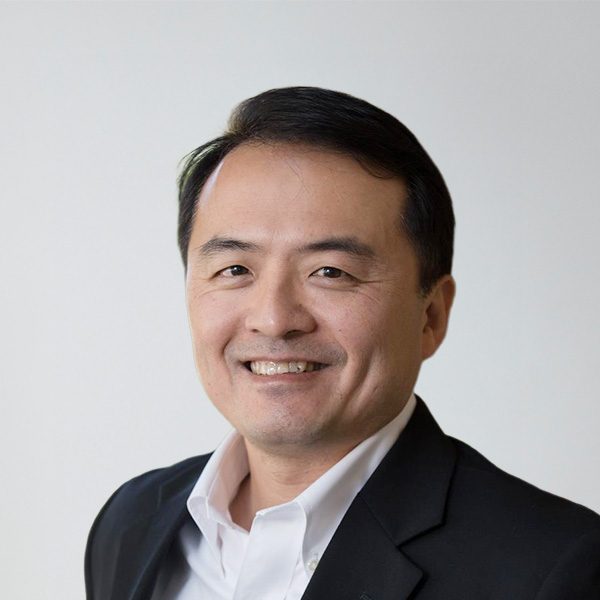
C. Jason Wang
Director, Center for Policy, Outcomes and Prevention
Stanford University School of Medicine
C. Jason Wang
C. Jason Wang, MD, PhD, is the Director of the Center for Policy, Outcomes, and Prevention, and LCY Tan Lan Lee Professor of Pediatrics and Health Policy at Stanford University. He received his B.S. in Biology from MIT, M.D. from Harvard Medical School, and Ph.D. in policy analysis from RAND. He also completed his fellowship in health services research as a Robert Wood Johnson Clinical Scholar and a NRSA Fellow at UCLA. After his pediatric residency training at UCSF, he worked in Greater China with McKinsey and Company. In 2000, he was recruited to serve as the project manager for Taiwan’s National Health Insurance Reform Taskforce. He is a co-founder and board member of Cognito Health, a medical technology company focused on improving patient safety in the elderly using sensor based IOT and AI. He currently serves on the board of directors of Taipei Medical University and the Koo Foundation Sun Yat-Sen Cancer Center in Taiwan and on the advisory board and board of several biotech and health care companies in US and Taiwan.
Among his honors, he was selected as the student speaker for the Harvard Medical School commencement ceremony in 1996, a recipient of the 2011 NIH Director’s New Innovator Award, and an invited speaker for Johns Hopkins University Bloomberg School of Public Health 100th Year, Child Health Policy Symposium. He recently served as a member of the US National Academies of Sciences, Medicine, and Engineering Committee (NASEM) Committee on “Improving the CDC Quarantine Station Network’s Response to Emerging Threats.”
Dr. Wang’s recent work on COVID-19 policy, “Response to COVID-19 in Taiwan: Big Data Analytics, New Technology, and Proactive Testing” published in JAMA, has been viewed over 1.26 million times online (ranked top 3 most viewed JAMA article in 2020) and covered by 279 media outlets world-wide, including the New York Times, Wall Street Journal, Washington Post, Bloomberg, NPR, TIME, Newsweek, CNN, BBC, Al Jazeera, etc.
Special Address
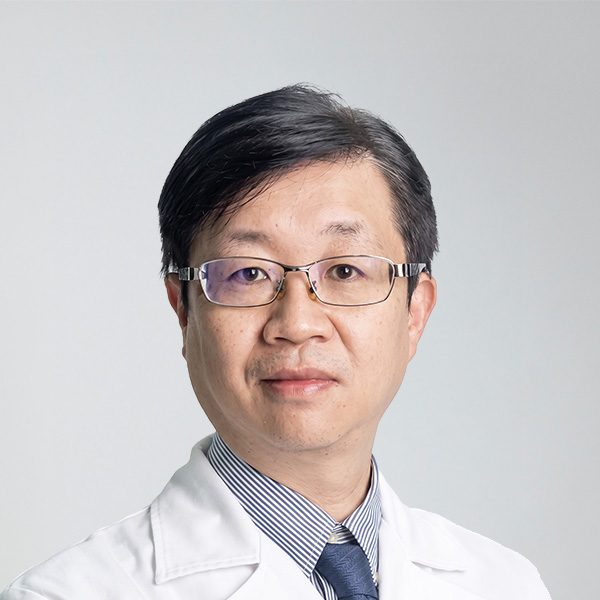
Han-Mo Chiu
Professor
National Taiwan University Hospital
Han-Mo Chiu
Professor Chiu graduated from Taipei Medical University in 1995. After completing two years of military service, he received his residency training in Internal Medicine at National Taiwan University Hospital (NTUH), followed by fellowship training in Gastroenterology and Hepatology. Recognizing the importance of integrating clinical practice with population health, he pursued doctoral training in Preventive Medicine at the College of Public Health, National Taiwan University, where he earned his PhD in 2010. This unique combination of clinical medicine and public health has shaped his lifelong commitment to translating scientific evidence into national health policy and clinical practice.
Professor Chiu currently serves as Clinical Professor of Internal Medicine at the National Taiwan University College of Medicine, Director of the Division of Gastroenterology and Hepatology, Director of the Department of Planning and Management, and Director of the Health Management Center at NTUH. He is also the Principal Investigator of Taiwan Colorectal Cancer Screening Program, President of the Digestive Endoscopy Society of Taiwan (DEST), Editor-in-Chief of the Journal of Gastroenterology and Hepatology, and Asia-Pacific Regional Co-chair of the World Endoscopy Organization (WEO) Colorectal Cancer Screening Committee. Through these leadership roles, he has promoted collaboration among clinicians, researchers, policymakers, and international organizations to advance colorectal cancer prevention throughout the Asia-Pacific region.
Professor Chiu’s research has focused on optimizing every stage of the colorectal cancer prevention continuum. His early work demonstrated the long-term effectiveness of fecal immunochemical test (FIT)-based population screening in reducing colorectal cancer incidence and mortality. He subsequently established comprehensive quality assurance systems for colonoscopy within nationwide screening programs, providing evidence that high-quality colonoscopy is essential for maximizing the benefits of FIT-based screening. His studies on interval colorectal cancer, post-colonoscopy colorectal cancer, and colonoscopy quality indicators have substantially influenced quality improvement initiatives and international recommendations.
Building upon these achievements, Professor Chiu has pioneered the concept of Precision Colorectal Cancer Prevention, advocating that colorectal cancer prevention should evolve beyond a “one-size-fits-all” approach toward individualized risk-based strategies. His pioneering studies demonstrated that quantitative fecal hemoglobin concentration can serve not only as a screening test but also as a powerful biomarker for risk stratification, personalized screening intervals, and post-polypectomy surveillance. His work has further expanded to include metabolic optimization, lifestyle intervention, and artificial intelligence-assisted colonoscopy, creating a comprehensive framework that integrates primary and secondary prevention throughout the entire patient journey. These innovations have laid the scientific foundation for precision prevention in colorectal cancer.
In addition to his scientific contributions, Professor Chiu has consistently emphasized implementation science and healthcare system innovation. As the leader of Taiwan Colorectal Cancer Screening Program, he has translated research findings into public health practice by developing nationwide quality assurance systems, standardized reporting, performance monitoring, and evidence-based screening policies. His work illustrates how multidisciplinary collaboration among clinicians, epidemiologists, public health professionals, healthcare administrators, and policymakers can transform scientific discoveries into measurable improvements in population health.
Professor Chiu has also been at the forefront of integrating digital transformation and artificial intelligence into healthcare. His recent work explores the application of AI in colonoscopy quality improvement, computer-assisted detection, digital twins, and personalized screening strategies. Beyond technological innovation, he advocates the use of digital health, big data analytics, and precision medicine to reshape healthcare delivery, enabling the transition from disease-centered care toward proactive health management across the entire lifespan.
His scholarly productivity has been exceptional. Since 2016, Professor Chiu has published more than sixty peer-reviewed articles in leading international journals, including Annals of Internal Medicine, JAMA Oncology, Gastroenterology, Gut, Clinical Gastroenterology and Hepatology, Endoscopy, Gastrointestinal Endoscopy, The American Journal of Gastroenterology, and JAMA Network Open. He has also authored and edited several internationally recognized textbooks and book chapters on colorectal cancer screening, therapeutic colonoscopy, and early gastrointestinal cancer, contributing substantially to education and clinical practice worldwide.
Professor Chiu’s scientific achievements have been widely recognized. His honors include the Marshall Warren Lectureship (2026), the Research Excellence Award from Taiwan’s National Science and Technology Council (2023), the Research Excellence Award from National Taiwan University Hospital (2022 and 2026), the Cancer Vanguard Award from Taiwan’s Health Promotion Administration (2018), and multiple Distinguished Abstract Awards at Digestive Disease Week. These awards reflect not only his research excellence but also the international impact of his contributions to colorectal cancer prevention and digestive diseases.
Beyond academic achievement, Professor Chiu believes that the ultimate purpose of medical research is to improve people’s health. Throughout his career, he has advocated that preventive medicine should move beyond early detection toward preventing disease before it develops, integrating risk prediction, health promotion, lifestyle intervention, precision medicine, and healthcare policy into a unified strategy. He envisions that future healthcare systems should evolve from treating illness to creating health, from extending life expectancy to extending healthy life expectancy, and from hospital-centered care to people-centered health management.
Professor Chiu continues to work toward this vision by advancing precision colorectal cancer prevention as a model for next-generation preventive medicine. Through scientific innovation, international collaboration, healthcare leadership, and policy implementation, he strives to build a future in which medicine is measured not only by its ability to cure disease but also by its ability to keep populations healthy. This vision extends beyond colorectal cancer and represents a broader paradigm for achieving sustainable healthcare and healthier societies in Taiwan and around the world.
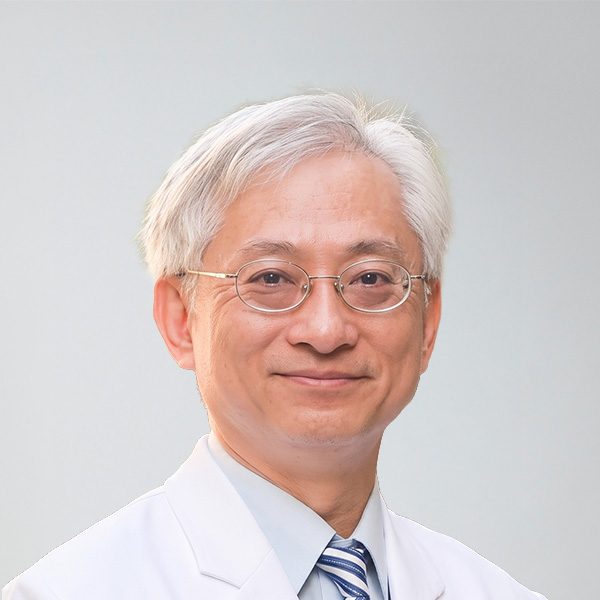
Yi-Chia Lee
Physician
National Taiwan University Hospital
Yi-Chia Lee
Dr Lee graduated from medical school in 1996. He earned a Master degree from the Graduate Institute of Epidemiology and Preventive Medicine in 2006, a Doctorate degree from the Division of Biostatistics, Graduate Institute of Epidemiology and Preventive Medicine in 2010, and an Executive Master of Business Administration degree from the College of Management in 2023, all at National Taiwan University. He currently serves as Deputy Director of the Department of Medical Research and Director of the Integrated Medical Database Center at National Taiwan University Hospital. He is a gastroenterologist whose work focuses on Helicobacter pylori eradication and population-based strategies for the primary prevention of gastric cancer. His research includes mass screening programs in the offshore Matsu Islands, dual fecal-based screening using the H. pylori stool antigen test and fecal immunochemical test, and family-based screening approaches in indigenous communities. These efforts contributed to the full rollout of a population-wide H. pylori screening policy in Taiwan in 2026. He has played a key role in global consensus meetings on H. pylori screening and eradication held in Taipei in 2019 and 2025, and served as an invited specialist and collaborator for the International Agency for Research on Cancer Working Group Report for gastric cancer prevention in 2014 and 2025. He currently serves as an Associate Editor of Helicobacter.
Invited Speaker
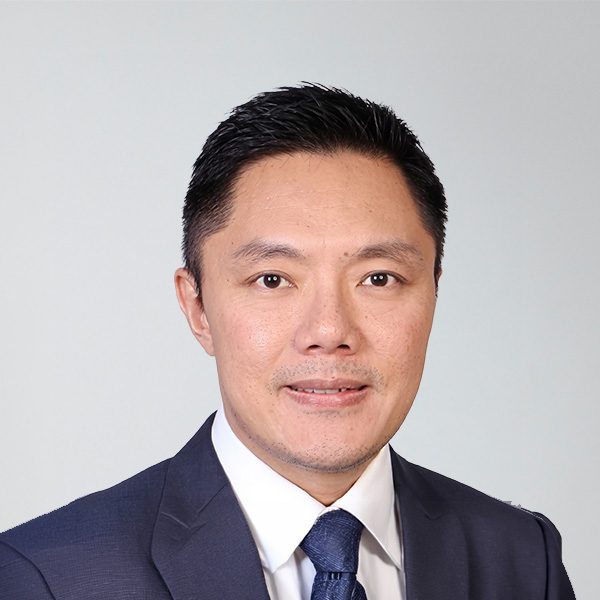
Adrian Liew
Senior Consultant Nephrologist
Mount Elizabeth Novena Hospital
Adrian Liew
Dr Adrian Liew is a Senior Consultant Nephrologist at the Mount Elizabeth Novena Hospital. He is the current Executive and elected Secretary-General of the International Society for Peritoneal Dialysis and is also a member of the Executive Board of KDIGO. He is a past member of the Executive Committee of the International Society of Nephrology and chaired the ISN Oceania Regional Board. He is the current Chair of the ISN CME Committee and is the course director for the ISN Glomerular Disease Course. He is a member of the Working Group for the KDIGO Guideline on Glomerular Diseases and the KDIGO Guideline on Diabetes Management in CKD, and chairs the Asian-Pacific Society of Nephrology Clinical Practice Guidelines on Diabetic Kidney Diseases. He sits on multiple steering committee of international multicenter clinical trials on IgA nephropathy, FSGS, Membranous Nephropathy and Lupus Nephritis. He is an Associate Editor for the Nephrology journal and sits on the editorial boards of multiple international journals in nephrology. He was appointed as a consultant for the National Health Insurance Administration in Taiwan and helped with the development of the white paper on home dialysis in Taiwan. He is also a visiting consultant and professor in various academic centres in Taiwan and the Philippines.
Alejandro Cardenas
Attending Physician
Hospital Ángeles Del Pedregal (HAP)
Alejandro Cardenas
Dr. Alejandro Cárdenas Cejudo is a Mexican internist with a distinguished career in clinical care, teaching, research, and professional leadership, particularly in the fields of diabetes, obesity, and exercise is medicine. His profile is especially relevant for a presentation on the relationship between diabetes and obesity in Latin America, given his dual role as a practicing clinician and a medical educator, as well as his active promotion of exercise as a therapeutic tool in chronic disease management.
Dr. Cárdenas Cejudo is a board-certified internist with a valid specialty license in Mexico. He has developed most of his clinical practice at Hospital Ángeles del Pedregal in Mexico City, where he has served as attending physician in the Department of Internal Medicine since the mid-1980s. In addition to his internal medicine training, he holds a Master’s degree in Health Care Administration, which provides him with a comprehensive understanding of health system organization and quality of care.
In the academic field, Dr. Cárdenas has been a long-standing faculty member in the Internal Medicine course endorsed by the School of Medicine of Universidad La Salle, actively participating in the training of residents and specialists. He has directed and contributed to continuing education courses in internal medicine, geriatrics, and sports medicine, and has served as an instructor in advanced life support courses. He is the author of the book “Selected Topics in Internal Medicine” and coauthor of numerous medical articles and educational texts, with a large body of materials hosted on his website for both lay audiences and health professionals.
Dr. Cárdenas has held multiple leadership positions within the medical community, including President of the Colegio de Medicina Interna de México, President of the Medical Society of Hospital Ángeles del Pedregal, and President of the Association of Medical Societies of Hospitals of Grupo Ángeles. Internationally, he has been a member of the executive committee of the International Society of Internal Medicine and served as coordinator of the World Congress of Internal Medicine 2020. He is a Fellow of the American College of Physicians and has acted as press and communications officer for the Mexican chapter of this institution.
In the field of exercise medicine, Dr. Cárdenas is President and Director of Exercise is Medicine Mexico, a chapter linked to the American College of Sports Medicine that promotes physical activity as a central pillar in the prevention and treatment of chronic diseases, including diabetes and obesity. This role positions him as a national reference in the integration of structured physical activity into the management of cardiometabolic patients.
His experience as an internist, educator, and leader in Exercise is Medicine Mexico grants him a unique perspective on the burden of diabetes and obesity in Latin America, the importance of metabolic control, and the role of lifestyle interventions in prevention and treatment. The combination of high-level clinical practice, health services management, academic production, and advocacy for exercise as therapy makes Dr. Alejandro Cárdenas Cejudo an ideal speaker to address the relationship between diabetes, overweight/obesity, and comprehensive intervention strategies in the Latin American context, with particular emphasis on the Mexican reality.
Ally Prebtani
Physician
McMaster University
Ally Prebtani
Bing-Heng Yang
Clinical Pathologist
Tri-service General Hospital
Bing-Heng Yang
At WCIM 2026, Dr. Yang will speak in the session ‘Laboratory and internal medicine closely together’ on ‘Implementation of New Biochemical Tests in Hospitals: Application Procedures and Key Considerations.’ His lecture translates laboratory accreditation concepts into a practical medical-center pathway for adding new biochemical tests. The framework emphasizes that a new test is not merely a reagent purchase or a laboratory information system code, but a clinical service that influences diagnosis, treatment timing, resource allocation, quality indicators, accreditation status, and patient safety.
Dr. Yang’s presentation focuses on how clinical pathologists collaborate with attending and senior physicians in internal medicine to uphold shared accountability for patient-facing biochemical test results. It covers clinical-utility assessment, operational feasibility, in-house versus referral testing, laboratory-developed or modified methods, verification versus validation, pre-examination design, internal quality control, proficiency testing or external quality assessment alternatives, reporting readiness, and post-launch surveillance. The lecture is aligned with CAP checklist principles and ISO 15189:2022 concepts, with particular attention to service agreements, risk management, control of externally provided services, and laboratory-director responsibility even when testing is outsourced.
Dr. Yang’s broader academic work integrates clinical pathology stewardship, trace-element analytics, transfusion medicine, regenerative medicine, cellular therapy, and drug repurposing. As Chief of the Trace Element Research Center, he leads research to establish reference values for trace elements using health-check specimens, supporting precision interpretation of biochemical and toxicological measurements. His detailed CV lists 15 PubMed-indexed articles, including 12 published within the last five years, 9 as first or corresponding author, 8 in journals with impact factor greater than 5, and 4 in Q1 journals. His representative work includes nationwide real-world evidence studies on hydralazine repurposing, therapeutic cancer vaccine research, red blood cell antigen preservation, and autologous dendritic cell-based immunotherapy.
Clinically, Dr. Yang has contributed to leukapheresis-based autologous dendritic cell/lymphocyte transplantation for liver cancer, a protocol approved by Taiwan’s Ministry of Health and Welfare and currently being implemented at TSGH. He also contributes to translational programs in platelet-derived growth factors, advanced hepatocellular carcinoma, and regenerative medicine. Through WCIM 2026, Dr. Yang aims to strengthen the interface between internal medicine and laboratory medicine by promoting a simple but high-impact principle: the best test is the one that delivers a timely, reliable, interpretable result with documented accountability and measurable patient value.
Chao-Hua Chiu
Vice Superintendent
Taipei Medical University Hospital
Chao-Hua Chiu
Dr. Chao-Hua Chiu is a Professor at the School of Medicine, the Vice Superintendent at Taipei Cancer Center, and the Director of the Clinical Research Center at Taipei Medical University Hospital, Taipei Medical University, Taiwan. He received his MD degree from Taipei Medical University and completed his specialty training in both pulmonology and medical oncology at Taipei Veterans General Hospital between 1999 and 2003. From 2006 to 2008, Dr. Chiu was a visiting scientist in the Department of Molecular and Cellular Oncology at MD Anderson Cancer Center. He served as the Director of the Section of Thoracic Oncology at Taipei Veterans General Hospital from 2016 to 2022, before joining Taipei Medical University Hospital in 2022. His primary clinical and research interests center on low-dose CT lung cancer screening, as well as the clinical management and new drug development for lung cancer, mesothelioma, and thymic malignancies.
Chia-Te Liao
Attending Physician
Taipei Medical University Shuang-ho Hospital
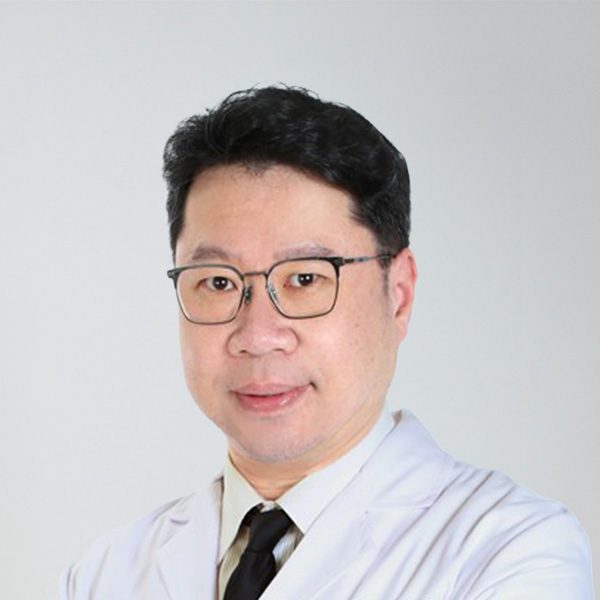
Chia-Te Liao
Throughout his career, he has received several prestigious awards and fellowships, including the ERA-EDTA Young Investigator Award, the European Union Marie Curie Fellowship, and a Kidney Research UK Fellowship, recognizing his contributions to translational kidney research and international collaboration. His clinical expertise encompasses chronic kidney disease (CKD), acute kidney injury (AKI), dialysis therapies, peritoneal dialysis, and integrated kidney care. As a clinician, he is committed to improving patient outcomes through evidence based medicine, multidisciplinary care models, and the application of innovative technologies in nephrology practice. His work integrates advanced multi-omics approaches and artificial intelligence-driven analytics to identify novel biomarkers and therapeutic targets. In recent years, Dr. Liao has actively promoted the development of precision nephrology and digital health solutions. His research team has developed machine learning models for CKD risk stratification and clinical decision support systems aimed at enhancing early detection and personalized management of kidney disease. He has also been involved in international collaborations focused on population health, kidney disease epidemiology, and translational biomarker discovery. Through his leadership in national and international nephrology organizations, he continues to strengthen global partnerships and promote excellence in kidney care, research, and education.
Chia-Ter Chao
Attending Staff
National Taiwan University Hospital
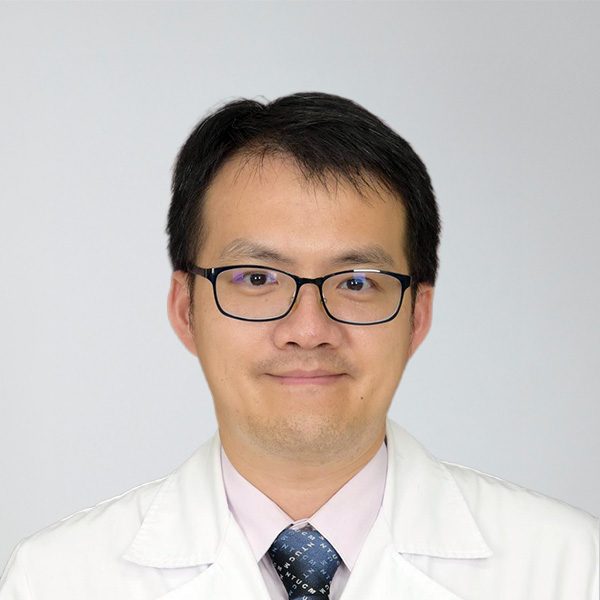
Chia-Ter Chao
Chia-Ter Chao, M.D., Ph.D., F.A.S.N., is a physician-scientist, nephrologist, and clinical educator whose career has bridged internal medicine, nephrology, geriatric medicine, vascular biology, toxicology, and medical education. He currently serves as an attending physician in the Department of Medicine at National Taiwan University Hospital and holds clinical professorships at the National Taiwan University College of Medicine, including appointments in the Division of Nephrology, the Graduate Institute of Toxicology, and the Graduate Institute of Medical Education and Bioethics. His multidisciplinary academic positioning reflects a career devoted not only to advancing kidney medicine, but also to integrating biological discovery, clinical epidemiology, patient-centered care, and educational innovation.
Dr. Chao received his medical degree from National Taiwan University and completed residency training in internal medicine and research fellowship training in nephrology at National Taiwan University Hospital. His clinical career has spanned hospital medicine, nephrology, internal medicine leadership, and health system administration. He has served as attending staff at National Taiwan University Hospital and its affiliated branches, Chief of the Department of Medicine at NTUH Jin-Shan Branch and NTUH Bei-Hu Branch, and Vice Superintendent of Min-Sheng General Hospital. These roles have given him firsthand experience across academic medical centers, community branches, regional hospital administration, and frontline internal medicine practice, shaping his understanding of how clinical care, workforce development, and institutional systems intersect.
Scientifically, Dr. Chao is best known for his sustained work in vascular calcification, vascular aging, frailty, and chronic kidney disease–mineral and bone disorder. His research program has developed from clinical observations in patients with kidney disease to molecular and translational studies of vascular smooth muscle cell calcification, microRNA regulation, oxidative stress, transcriptomics, and vascular senescence. He has published influential studies on circulating microRNA, uremic vascular calcification, transcriptomic approaches to therapeutic discovery, and combined biomarker panels for predicting vascular calcification severity. More recently, he has advanced the concept of “vascular frailty,” reframing vascular damage not merely as a structural cardiovascular abnormality, but as a biologically meaningful contributor to systemic vulnerability, geriatric phenotypes, and adverse outcomes in patients with chronic kidney disease and older adults. Dr. Chao has also made substantial contributions to medical education. His research in this field includes clinical learning self-efficacy, digital problem-based learning, team dynamics, facilitator support, group metacognition, clinical shadowing, interprofessional education, and the implications of artificial intelligence for nephrology training and clinical reasoning. This educational scholarship complements his institutional work in teaching and faculty development. It also reflects a broader commitment to preparing future physicians for uncertainty, complexity, teamwork, and the responsible use of emerging technologies.
His academic productivity is internationally visible. He has authored or co-authored various peer-reviewed publications across vascular biology, nephrology, geriatrics, frailty, and medical education. His work has appeared in journals such as Arteriosclerosis, Thrombosis, and Vascular Biology, Cardiovascular Research, iScience, Aging and Disease, Journal of the American Heart Association, Kidney International Reports, BMC Medical Education, and many others. His invited and peer-reviewed presentations span major international meetings, including the World Congress of Nephrology, American Society of Nephrology Kidney Week, Japanese Society for Dialysis Therapy, Korean Society of Nephrology, Asia Pacific Congress of Nephrology, and AMEE. His achievements have been recognized through multple honors. He has been listed among the world’s top 2% scientists in single-year impact by Elsevier/Stanford University from 2021 to 2025. He has received the Outstanding Young Investigator Award from the Taiwan Society of Nephrology, research awards from the Taiwan Society of Atherosclerosis and Vascular Disease and the Taiwan Association of Hospital Medicine, and the Ministry of Education’s Excellence in Teaching Practice Program Award. He is also a Fellow of the American Society of Nephrology.
Taken together, Dr. Chao’s profile is that of a modern academic internist and nephrologist: clinically grounded, scientifically productive, educationally engaged, and institutionally experienced. His career is distinguished by the ability to connect molecular mechanisms with clinical outcomes, frailty science with kidney care, and educational theory with practical training reform. Through scholarship, leadership, and service, he continues to shape the evolving fields of nephrology, vascular aging, geriatric medicine, and medical education in Taiwan and internationally.
Chih-Yuan Wang
Vice Superintendent
National Taiwan University Hospital, National Taiwan University Cancer Center
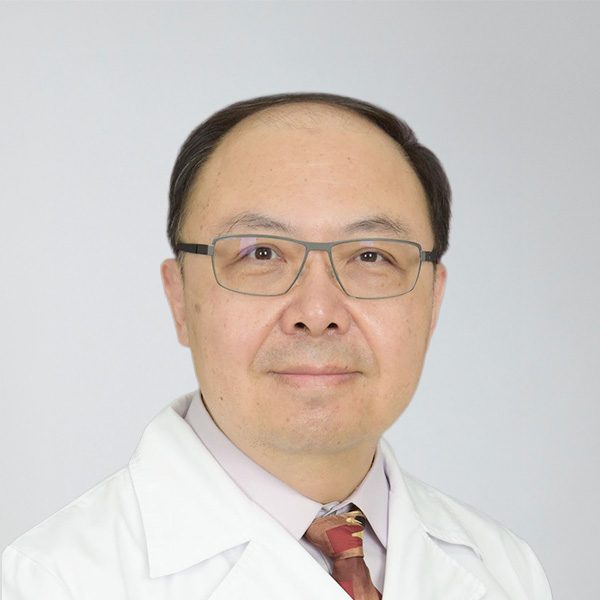
Chih-Yuan Wang
Professor Wang received his Doctor of Medicine degree from Chung Shan Medical University, followed by a Ph.D. in Physiology from National Taiwan University, where he developed a strong foundation in biomedical science and experimental research. Recognizing the importance of leadership and organizational management in modern academic medicine, he later completed an Executive MBA at National Taiwan University. This rare integration of medical, scientific, and managerial training has shaped his ability to bridge clinical care, research innovation, and institutional governance.
He is a board certified specialist in Internal Medicine and Endocrinology and Metabolism, and a Certified Diabetes Educator of the Taiwan Association of Diabetes Education. With more than three decades of clinical experience, Professor Wang is widely respected for his expertise in diabetes care, endocrine disorders, and complex metabolic diseases. His clinical practice is deeply informed by real-world evidence, population based research, and a patient centered philosophy that emphasizes long-term outcomes and quality of care.
Professor Wang’s research portfolio reflects a sustained commitment to addressing some of the most pressing challenges in contemporary internal medicine. His primary academic interests include diabetes therapeutics, cardio-renal-metabolic (CKM) syndrome, thyroid diseases, and biomarker discovery, particularly through urinary exosomal peptides. He has made seminal contributions to understanding the real-world effectiveness and safety of modern antidiabetic therapies, including SGLT2 inhibitors and GLP-1 receptor agonists, with the focus on aging populations, frailty, renal outcomes, and cardiovascular risk modification. In parallel, Professor Wang has emerged as a pioneer in non-invasive biomarker research for thyroid cancer, leading prospective and longitudinal studies on urinary exosomal peptides for diagnosis, risk stratification, and postoperative surveillance. His work in this field represents an important step toward precision medicine, offering clinically actionable tools that may complement or, in some contexts, might surpass traditional serum based markers.
Professor Wang has published extensively in leading international journals, including The Lancet Diabetes & Endocrinology. The Lancet Healthy Longevity, The Journal of Clinical Endocrinology & Metabolism, Circulation Research, European Thyroid Journal, Diabetes Research and Clinical Practice, and The Journal of the Formosan Medical Association. His publications span randomized controlled trials, large-scale real-world cohort studies, mechanistic investigations, and national expert consensus statements, underscoring both the breadth and depth of his scholarly contributions.
Beyond original research, Professor Wang has been a key architect of national and regional clinical consensus guidelines, particularly in diabetes management, lipid control, diabetic kidney disease, hepatitis C screening in patients with diabetes, and the application of continuous glucose monitoring in Asia Pacific populations. Through these efforts, he has helped translate evidence into practice and harmonize care standards across diverse healthcare systems.
As an academic leader, Professor Wang is deeply committed to education and mentorship. At NTUH and the College of Medicine, National Taiwan University, he has trained generations of medical students, residents, fellows, and junior faculty. He is widely recognized for fostering a culture of intellectual rigor, ethical practice, and collaborative inquiry, while actively supporting the career development of emerging clinician-scientists. Many of his mentees have gone on to assume leadership positions in academic medicine and healthcare institutions. Professor Wang’s leadership extends beyond his home institution. He has been an active participant in multi-center and multinational collaborations throughout Asia, contributing to consensus panels and expert working groups that address region-specific challenges in endocrine and metabolic care. His work frequently integrates big-data analytics, nationwide health databases, and AI-assisted risk modeling, reflecting his forward-looking approach to data-driven medicine and health system innovation.
His contributions have been recognized with numerous prestigious honors, including multiple Outstanding Publication Awards from the Endocrinology Society of the Republic of China, the Professor Fan-Wu Chen Outstanding Research Award, and, most notably, the Professor Xiao-Ren Pan Distinguished Research Award from the Asian Association for the Study of Diabetes (AASD) in 2025. In the same year, he received the Dr. Liao Xuezhi Endocrine Award, further affirming his standing as a leader in Taiwanese endocrinology. In 2024, Professor Wang was a recipient of the 21st National Innovation Award for Academic Research Innovation, recognizing the translational impact of his scientific work.
In his prior roles as Division Chief and Deputy Director, Professor Wang provides strategic oversight for clinical services, faculty development, and academic integration within one of Asia’s leading tertiary medical centers. He is known for his balanced leadership style, combining decisiveness with transparency, and innovation with institutional responsibility. His vision for internal medicine emphasizes integrated, multidisciplinary care; precision diagnostics; and the seamless translation of research discoveries into improved patient outcomes.
Through a career defined by clinical excellence, scholarly leadership, and institutional service, Professor Chih-Yuan Wang continues to shape the future of endocrinology and internal medicine in Taiwan and beyond. His work exemplifies the modern academic physician, one who unites compassionate care, scientific rigor, and visionary leadership in service of patients and society.
Chung-Lieh Hung
Attending Physician
Mackay Memorial Hospital
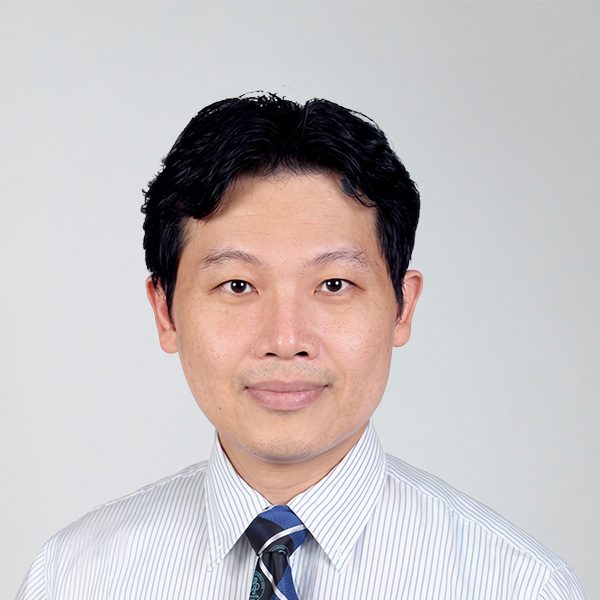
Chung-Lieh Hung
I am an Attending Cardiologist and Director of the Heart Failure and Cardiovascular Imaging Division at Mackay Memorial Hospital, Taiwan. I also serve as Professor at the Graduate Institute of Biomedical Sciences, Mackay Medical College, and Director of the Big Data Research Center at Mackay Memorial Hospital. My clinical and research interests include heart failure, advanced cardiovascular imaging, echocardiography, artificial intelligence (AI), cardiovascular epidemiology, and precision cardiovascular medicine.
I received advanced training in heart failure and cardiovascular imaging at Brigham and Women’s Hospital, Harvard Medical School, where I worked with Professor Scott D. Solomon. I have also established long-term international collaborations with Professor Carolyn S. P. Lam and investigators from Stanford University, Duke-NUS Medical School, and the National Heart Centre Singapore. As the Taiwan National Principal Investigator of the Asian-HF Registry, I have contributed to multinational studies investigating heart failure epidemiology, cardiovascular imaging, diabetes, biomarkers, and precision medicine in Asian populations.
My research focuses on integrating multimodality cardiovascular imaging, artificial intelligence, and large-scale clinical data to improve the diagnosis, risk stratification, and management of cardiovascular diseases. I have published more than 260 SCI-indexed original research articles, including over 130 as first or corresponding author, in leading journals such as *Journal of the American College of Cardiology (JACC)*, *JACC: Heart Failure*, *JACC: Cardiovascular Imaging*, *Circulation*, *European Journal of Heart Failure*, and *Lancet Digital Health*.
My current work aims to translate innovative imaging technologies, AI algorithms, cardiovascular biomarkers, and genomic research into clinical practice, with the goal of advancing precision cardiovascular medicine and improving outcomes for patients with heart failure and other cardiovascular diseases.
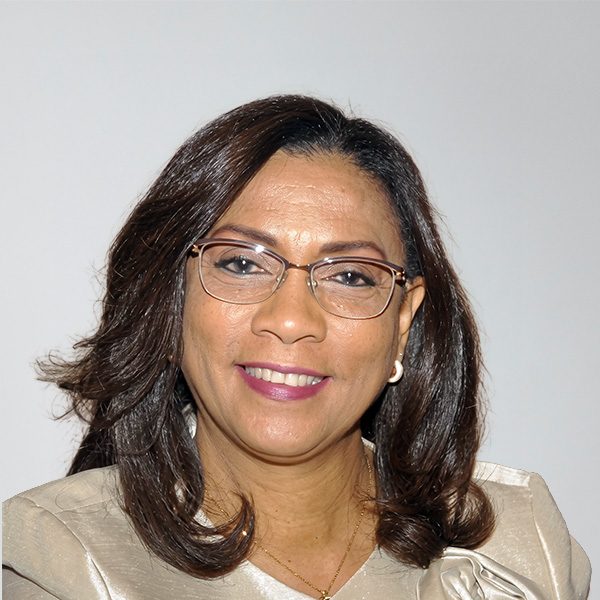
Claudia Arias
Head of the Department of Internal Medicine
Dominican Republic Society of Internal Medicine / Juan Pablo Pina Hospital
Claudia Arias
DR. CLAUDIA ARIAS BURROUGHS
Internist – Clinical Nutrition Specialist
Santo Domingo, Dominican Republic
Professional Profile
Internist and clinical nutrition specialist with extensive clinical, teaching, and leadership experience in national, regional, and global medical organizations. Recognized for her contribution to the advancement of internal medicine and the continuing education of healthcare professionals.
Specialties
Internal Medicine
Clinical Nutrition
Professional Leadership Experience
Former President of the Dominican Republic Society of Internal Medicine (SMIRD).
Former member of the Executive Committee of the International Society of Internal Medicine (ISIM).
Former President of the Central American and Caribbean Association of Internal Medicine (AMICAC).
Former President of the Latin American Society of Internal Medicine (SOLAMI).
Academic and Professional Activity
Frequent speaker at international internal medicine conferences.
Educator and advocate for continuing education in clinical practice.
Distinguished participation in national, regional, and global medical organizations.
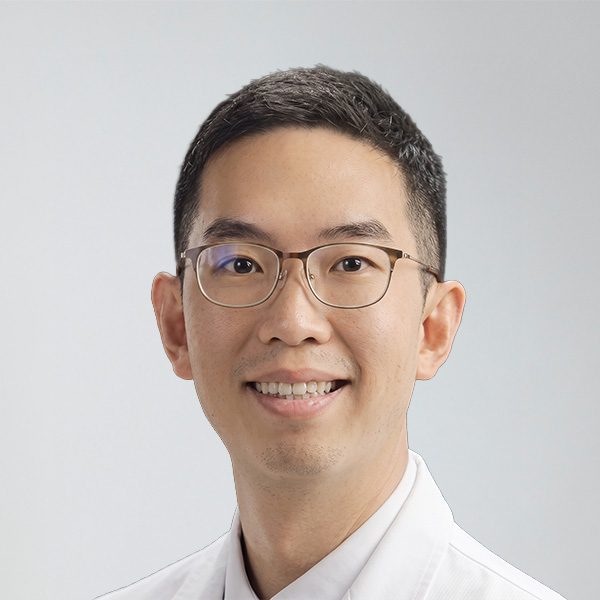
Derek De-Rui Huang
Attending Physician
National Taiwan University Cancer Center
Derek De-Rui Huang
Dr. Huang is an active member of the thoracic cancers multidisciplinary team and molecular tumor board at both NTU Cancer Center and NTU hospital. In addition to caring for cancer patients, Dr. Huang has been deeply involved in multi-omics analysis and molecular dynamics simulation to investigate tumor microenvironment and drug-protein interactions in lung cancers. Dr. Huang is also the co-founder of the largest physician digital social network platform “Penpeer” in Taiwan.
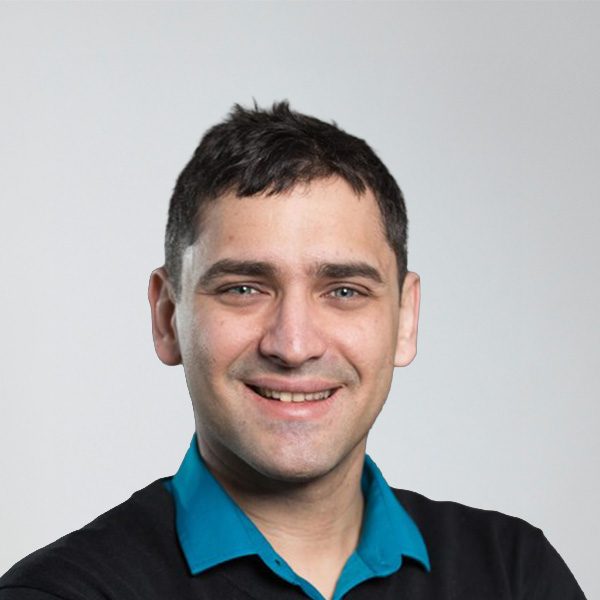
Diego Nobrega
Assistant Professor
University Of Calgary
Diego Nobrega
Dr. Diego Nobrega is an early-career researcher, Assistant Professor, and Canada Research Chair in Antimicrobial Resistance and One Health, appointed in July 2023. Dr. Nobrega leads a research program focused on the surveillance of antimicrobial resistance and infectious diseases in animals, exploring their potential impact on human health. His primary goal is to develop evidence-based intervention strategies to address antimicrobial resistance effectively. Dr. Nobrega also served as a veterinary epidemiologist at the Public Health Agency of Canada, contributing to the Food-borne Disease and Antimicrobial Resistance Surveillance Division.
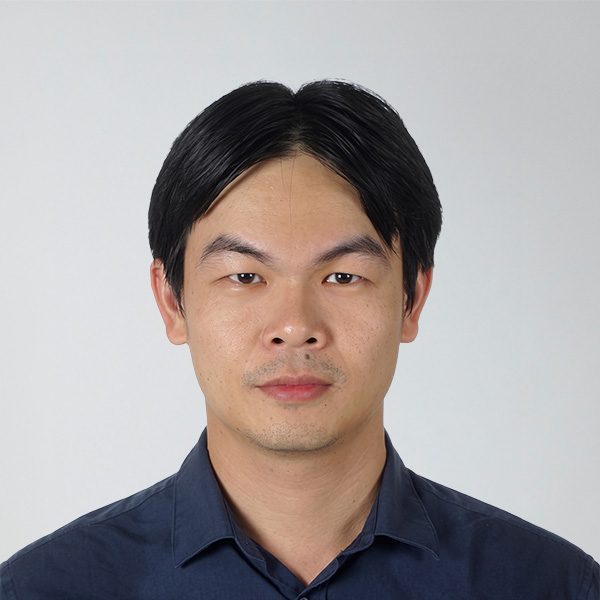
Feng-Chih Kuo
Attending Physician/Chief, Division of Endocrinology and Metabolism
Tri-Service General Hospital, National Defense Medical University
Feng-Chih Kuo
I received my M.D. from the National Defense Medical Center in 2006 and later pursued my Ph.D. in Medical Sciences at the University of Oxford, completing it in 2018. After returning to Taiwan, I joined Tri Service General Hospital as an attending physician and have continued to grow in both clinical and academic roles. In 2024, I was appointed Associate Professor in the Department of Medicine at the National Defense Medical University, a role that allows me to contribute to medical education while learning continuously from colleagues and students.
My research focuses on adipocyte biology, obesity, fat distribution, and the genetic and epigenetic mechanisms underlying metabolic diseases. I have been fortunate to work with excellent collaborators on studies exploring the role of long non coding RNAs such as HOTAIR in adipogenesis, fat distribution, and cancer biology. Our findings have been published in journals including Cell Reports, Molecular Metabolism, Cancer Cell International, iScience and Nutrition & Diabetes.
Across my clinical, research, and teaching work, I strive to advance precision medicine in endocrinology and to provide better care for patients with metabolic disorders. I remain grateful for the opportunities to learn, collaborate, and contribute to this field.
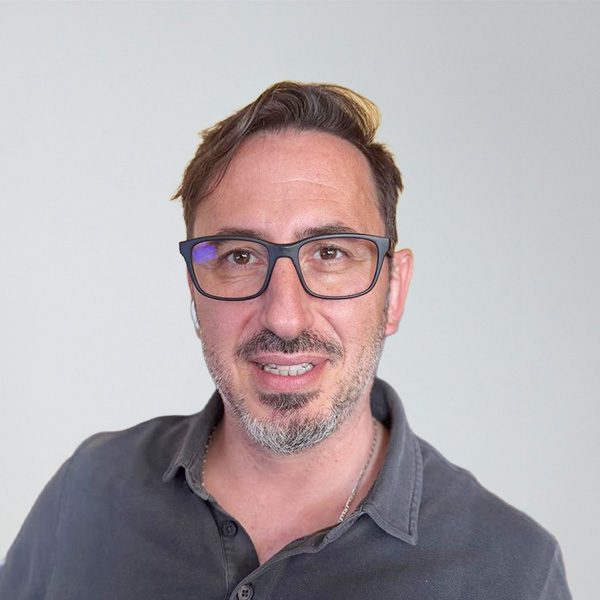
Hamit Hakan ALP
Prof. Dr.
Van Yuzuncu Yil University, Faculty of Medicine
Hamit Hakan ALP
Hamit Hakan Alp, PhD, is Professor of Medical Biochemistry and Head of the Department of Clinical Chemistry at Van Yüzüncü Yıl University Faculty of Medicine, Türkiye, where he also directs the Institute of Health Sciences. He completed his PhD in clinical biochemistry at Atatürk University in 2012. His research addresses analytical performance specifications, biological variation, external quality assessment and harmonisation of measurement procedures, alongside oxidative DNA damage and kynurenine pathway biomarkers in human disease. He is a member of the IFCC Working Group on Method Evaluation Protocols (WG-MEP), has authored close to 200 publications, and holds an h-index of 21.
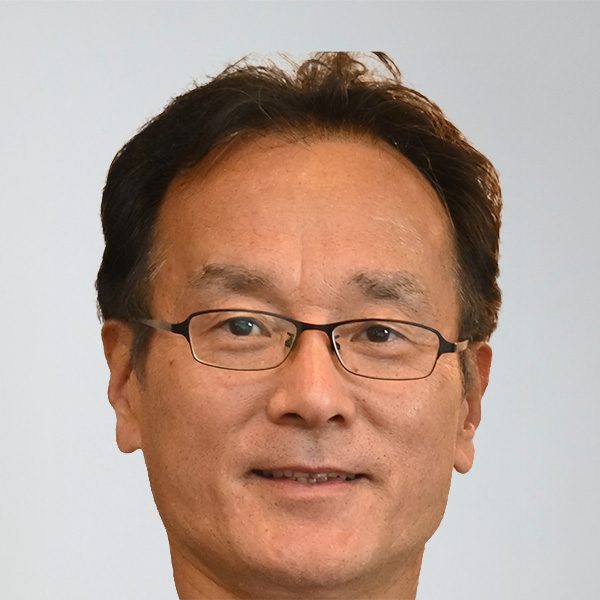
Hidenori Arai
President
National Center For Geriatrics And Gerontology
Hidenori Arai
Graduated from Kyoto University Faculty of Medicine (MD) in 1984, completed Kyoto University Graduate School Doctoral Program (PhD) in 1991.
After serving as Professor of the Department of Human Health Science, Graduate School of Medicine, Kyoto University in 2009, he became Deputy Director of the National Center for Geriatrics and Gerontology in 2015, Director of the same hospital in 2018, and President of the same organization from 2019.
President of the Japanese Association on Sarcopenia and Frailty, Japan Geriatrics Society, Director of the Japan Federation of Gerontological Societies, Member of the 25th and 26th Science Council of Japan (Division 2, Clinical Medicine Committee).
Area of interest: frailty, sarcopenia, dementia, multimorbidity
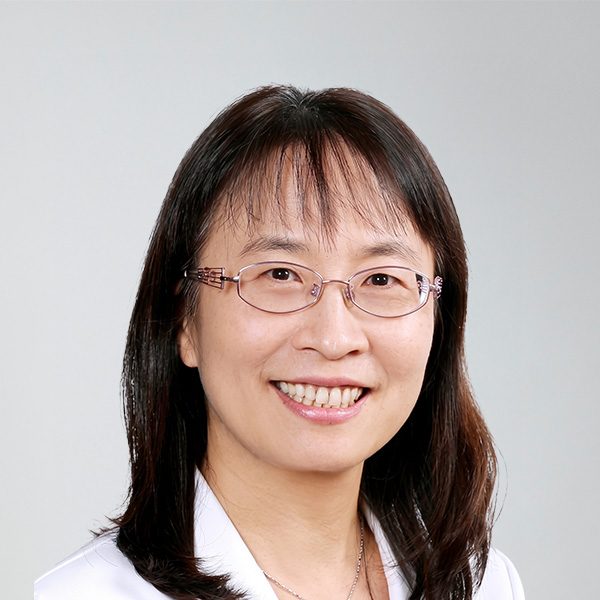
Huey-Ling Chen
Professor
National Taiwan University Hospital College Of Medicine And Children’s Hospital
Huey-Ling Chen
Professor Chen received her MD and PhD from National Taiwan University and completed her pediatric residency and fellowship training in pediatric gastroenterology and hepatology at National Taiwan University Hospital. Her clinical and research expertise centers on pediatric liver prevention of mother-to-child transmission of HBV, cholestatic liver diseases, progressive familial intrahepatic cholestasis, and genetic and metabolic liver disorders. She has also made important contributions to medical education and bioethics.
She is a Fellow of the American Association for the Study of Liver Diseases (AASLD), former President of the Taiwan Society of Pediatric Gastroenterology, Hepatology and Nutrition, and currently serves as Chair of the Education Committee of the Asia Pacific Society for Pediatric Gastroenterology, Hepatology and Nutrition (APSPGHAN). She is currently the Editor-in-Chief of Journal of Medical Education, the official journal of Taiwan Association of Medical Education.
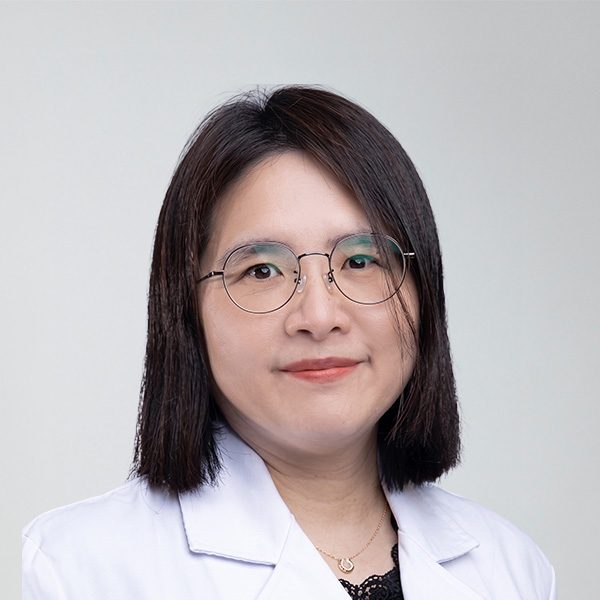
I-Wen Wu
Director, Department of Internal Medicine
Taipei Medical University Hospital
I-Wen Wu
Dr. I-Wen Wu graduated from the College of Medicine, University of Buenos Aires, Argentina. She completed the nephrologist training at Chang Gung Memorial Hospital, Taiwan then became Clinical Professor of Nephrology at Chang Gung Memorial Hospital. She is currently the Director of the Department of Internal Medicine and Department of Medical Research at Taipei Medical University Hospital. Her research interests are focused on the area of precision medicine of CKD and multi-omics biomarkers signature. She receives research grant support from the Ministry of Science and Technology of Taiwan in the areas of uremic toxins and microbiota. In addition, Dr. Wu is devoted to promoting knowledge exchange and international collaboration between Taiwan Society of Nephrology and different academic societies worldwide, has served the role of the Director of International Affairs and Cooperation of Taiwan Society Nephrology. She is currently the Chair of Diversity and Equity Committee of the Asian Pacific Society of Nephrology and board member of North and East Asian Region Board of the International Society of Nephrology. She is the National Leader of various clinical trials for renal anemia, glomerulonephritis, and novel drugs focusing on renal outcomes. She has published over 120 articles in international peer-reviewed journals and written chapters for the Taiwan Renal Database System and the Taiwan CKD clinical guidelines.
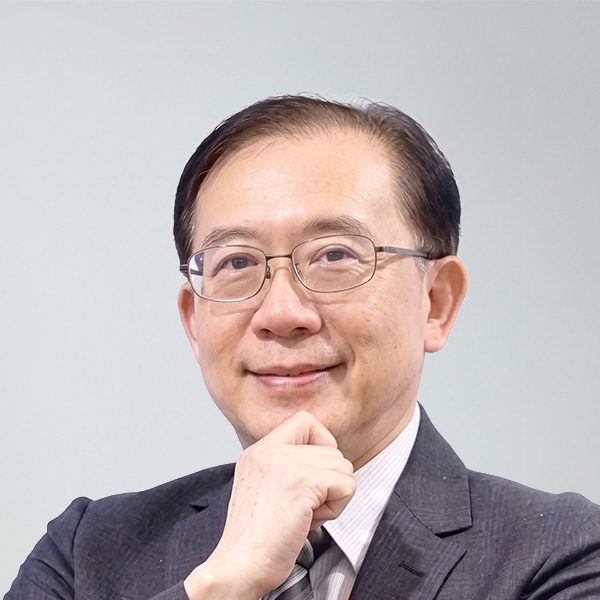
Jia-Horng Kao
National Chair Professor
National Taiwan University Hospital
Jia-Horng Kao
Professor Jia-Horng Kao MD, PhD, FAASLD is a distinguished clinician-scientist specializing in viral hepatitis and hepatocellular carcinoma (HCC). He is currently Lifetime National Chair Professor at Taiwan’s Ministry of Education and NTU Chair Professor at the Graduate Institute of Clinical Medicine, National Taiwan University (NTU) College of Medicine. He also serves as President of the Gastroenterological Society of Taiwan (GEST) and ACT-LD. Professor Kao received his MD from NTU in 1987 and PhD in 1994. With over three decades of experience, his research has advanced understanding of the prevention, molecular virology, pathogenesis, and treatment of chronic viral hepatitis and HCC. He has published more than 850 peer-reviewed articles, numerous book chapters, and monographs, achieving a high citation impact and h-index. His contributions have been recognized by many prestigious awards, including the National Chair Professorship, APDW Okuda Award, and APASL Okuda-Omata Distinguished Achievement Award. He is Editor-in-Chief of the Journal of the Formosan Medical Association and holds leadership roles in TASL and APASL, reflecting his strong national and international standing.
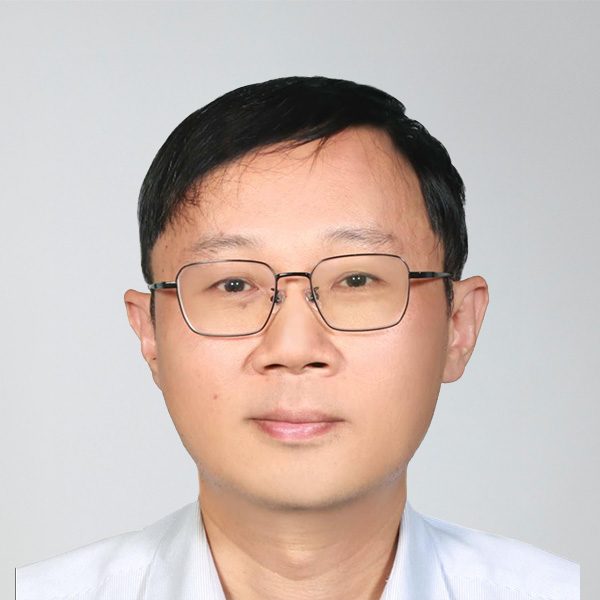
Jiun-Ling Wang
Physician
National Cheng Kung University
Jiun-Ling Wang
Jiun-Ling Wang, M.D.
E-mail: jiunlingwang@gmail.com
Education
M.D., National Taiwan University College of Medicine, Taipei, Taiwan
1991–1998
Postgraduate Training
Resident, Internal Medicine
National Taiwan University Hospital, Taipei, Taiwan
1998–2001
Fellow, Infectious Diseases
National Taiwan University Hospital, Taipei, Taiwan
2001–2003
Professional Appointments
Attending Physician, Division of Infectious Diseases, Department of Internal Medicine
National Taiwan University Hospital, Taipei, Taiwan
2003–2008
Attending Physician, Department of Internal Medicine
E-DA Hospital, Kaohsiung, Taiwan
2008–2015
Assistant Professor, Department of Medicine
National Taiwan University College of Medicine, Taipei, Taiwan
2009
Associate Professor, College of Medicine
I-Shou University, Kaohsiung, Taiwan
2014
Attending Physician, Department of Internal Medicine
National Cheng Kung University Hospital, Tainan, Taiwan
2015–Present
Professor, Department of Internal Medicine
College of Medicine, National Cheng Kung University, Tainan, Taiwan
2024–Present
Research Interests
Antimicrobial-resistant bacteria
Hospital epidemiology and infection control
One Health and environmental surveillance
Clinical and molecular microbiology
Molecular epidemiology and whole-genome sequencing
Research Profile
Dr. Jiun-Ling Wang’s research focuses on the molecular epidemiology of antimicrobial-resistant Escherichia coli within the One Health framework, particularly its distribution and transmission among humans, animals, and aquatic environments.
His early research demonstrated the emergence of the globally disseminated multidrug-resistant E. coli sequence type ST131 in communities in southern Taiwan. This work provided important evidence that ST131 had spread beyond healthcare settings and become established in the community. He subsequently expanded his research to river environments and identified the widespread presence of extended-spectrum cephalosporin-resistant E. coli in rivers in southern Taiwan, highlighting natural waterways as potential reservoirs and transmission routes for antimicrobial-resistant bacteria.
Dr. Wang later conducted a nationwide investigation of antimicrobial-resistant E. coli in more than 50 rivers across Taiwan. This study focused on resistance to colistin, an important last-line antibiotic for multidrug-resistant Gram-negative bacterial infections. Although the prevalence of colistin-resistant E. coli was relatively low, its occurrence was associated with local chicken and pig densities. Plasmid analysis also demonstrated genetic relationships between environmental and animal-associated isolates, suggesting that livestock production and agricultural antimicrobial use may contribute to the dissemination of resistance genes into river ecosystems.
More recently, he compared rivers in northern and southern Taiwan with different ecological characteristics, surrounding land-use patterns, and wastewater-treatment infrastructure. His findings demonstrated that local ecology, human activity, livestock production, and wastewater discharge collectively influence the geographic distribution of antimicrobial-resistant E. coli. This work emphasizes the importance of integrating environmental surveillance with human and veterinary antimicrobial-resistance monitoring.
Dr. Wang has also conducted One Health studies integrating clinical, epidemiological, and genomic information. His research showed that ST131 was more common among children living in urban areas, whereas antimicrobial-resistant E. coli overall was more prevalent in rural settings. His global surveillance identified an increasing trend in tigecycline-resistant E. coli in Asia, suggesting a potential association between agricultural tetracycline use and the dissemination of mobile tet(X) resistance genes.
In clinical studies of E. coli bloodstream infections, he demonstrated that ST131 and the virulence-associated gene iroN were associated with mortality. He has also applied next-generation whole-genome sequencing to investigate E. coli recovered from public restrooms in southern Taiwan, demonstrating the value of genomic surveillance for tracing potential transmission among human, animal, and environmental reservoirs.
Overall, Dr. Wang’s research integrates clinical epidemiology, environmental microbiology, molecular typing, plasmid analysis, and whole-genome sequencing. His work supports a comprehensive One Health approach to understanding and controlling antimicrobial resistance across healthcare, community, agricultural, and environmental settings.
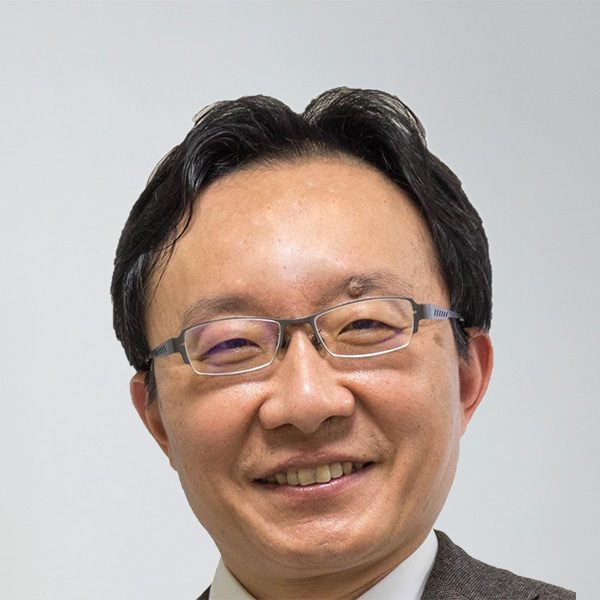
Jung-Yien Chien
Attending Physician
National Taiwan University Hospital
Jung-Yien Chien
Jung-Yien Chien received his M.D. and Ph.D. degrees in Clinical Medicine from National Taiwan University in 1998 and 2016, respectively. He is currently a Clinical Professor and Attending Physician in the Division of Pulmonary and Critical Care, Department of Internal Medicine, at National Taiwan University Hospital (NTUH). He previously served as the Secretary General of the Taiwan Society of Pulmonary and Critical Care Medicine. His research focuses on critical care medicine and pulmonary diseases. He has published extensively in the areas of sepsis, pulmonary infection and airway diseases.
Currently, Dr. Chien leads several prominent research organizations and clinical management teams, including:
The COPD Management Team of National Taiwan University Hospital
The Pulmonary Rehabilitation Team of National Taiwan University Hospital
The TAiwan CollaboraTive Intensive Care Study (TACTICS) Group
The Taiwan Bronchiectasis Research Collaboration (TBARC)
The Taiwan-Surveillance of Work-related and Occupational Respiratory Disease (T-SWORD)
The Lab Spotlight at National Taiwan University Hospital
Dr. Chien’s research focuses on critical care medicine and pulmonary diseases through both clinical research and technological innovation. Dr. Chien chairs multiple national multicenter studies. He also serves as the Principal Investigator (PI) for dozens of international multicenter clinical trials focusing on novel therapeutic agents for asthma, chronic obstructive pulmonary disease (COPD), bronchiectasis, pulmonary fibrosis, antibiotics, critical care, and pulmonary hypertension. These efforts have been recognized with numerous accolades, including the “”Doctor of the Year”” award at NTUH (2021) and the “”Future Tech Award”” (2023) for pioneering AI-driven precision health management.
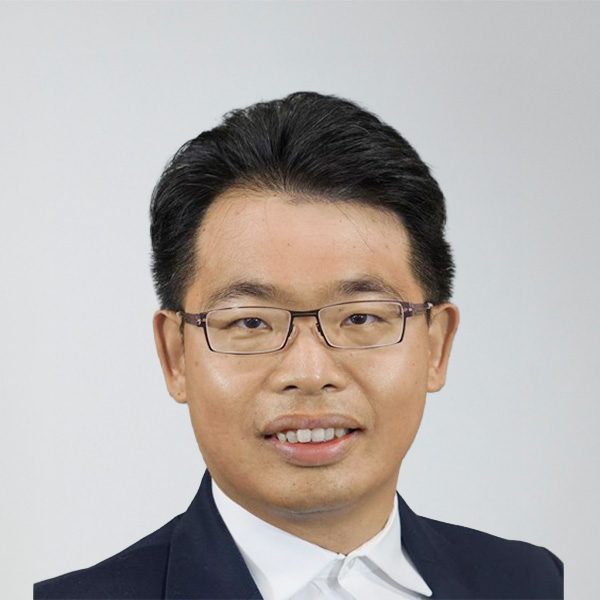
Kang-Lin Hsieh
Assistant Researcher
National Center for High-performance Computing (NCHC), National Institutes of Applied Research
Kang-Lin Hsieh
Kang-Lin Hsieh, Ph.D., is an Assistant Research Fellow in the Big Data Service Platform Division at Taiwan’s National Center for High-Performance Computing (NCHC), National Institutes of Applied Research (NIAR). His work connects biomedical research, artificial intelligence, and high-performance scientific computing. He received his Ph.D. in Medical Informatics from The University of Texas Health Science Center at Houston, an M.S. in Pharmacology from National Taiwan University, and a B.S. in Life Science and Genomics from National Yang-Ming University.
Before joining NCHC, Dr. Hsieh conducted postdoctoral and research work at UTHealth Houston and The University of Texas MD Anderson Cancer Center. His research spans electronic health records, claims data, clinical text, medical imaging, metabolomics, genomics, and single-cell transcriptomics. He has developed AI approaches for drug repurposing in COVID-19 and Alzheimer’s disease, multimodal cancer imaging, and the interpretation of cellular states and disease mechanisms. His single-cell work includes iGTP, an interpretable cellular embedding framework, and scEMB, a foundation model pretrained on over 30 million transcriptomes.
At NCHC, Dr. Hsieh develops trusted biomedical AI and scientific-computing platforms that help clinicians and researchers use complex and sensitive health data more effectively. The platforms assist with data preparation, standardized analysis, workflow automation, AI model development, and the interpretation of research findings. They support secure, reproducible large-scale and cross-institutional studies. His goal is to make advanced AI practical for disease research, precision medicine, and translational innovation.
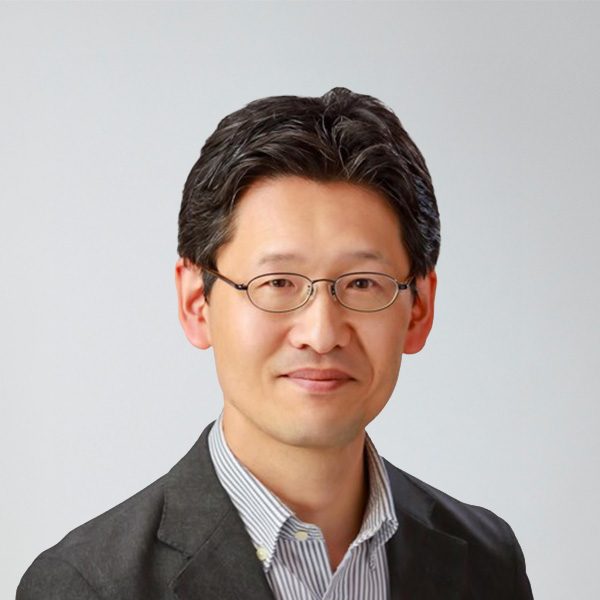
Satoshi Kodama
Professor
Kyoto University
Satoshi Kodama
He is the author and editor of numerous books in Japanese, including An Introduction to Utilitarianism (2012), Practical Ethics (2020), The Ethics of Prevention (2023), and, as co-editor, The Ethics of Disaster Preparedness (2026). He has also published articles in English on topics including end-of-life care and the ethical challenges of the COVID-19 pandemic. His recent work increasingly addresses questions of autonomy, care, vulnerability, and resilience in medicine, public health, and disaster contexts.
Kodama has led international collaborative research on the ethical and legal dimensions of end-of-life care and decision-making support for older people in East Asia, particularly in Japan, South Korea, and Taiwan. He also served as principal investigator of a multidisciplinary research project on the ethical, legal, and social issues (ELSI) arising from the COVID-19 pandemic and other public health crises.
He currently leads the “Dignified End of Life for All” project at SMBC Kyoto University Studio, which explores sustainable forms of decision-making support that enable people to maintain their dignity in later life and at the end of life. In 2026, he became a member of UNESCO’s International Bioethics Committee (IBC).
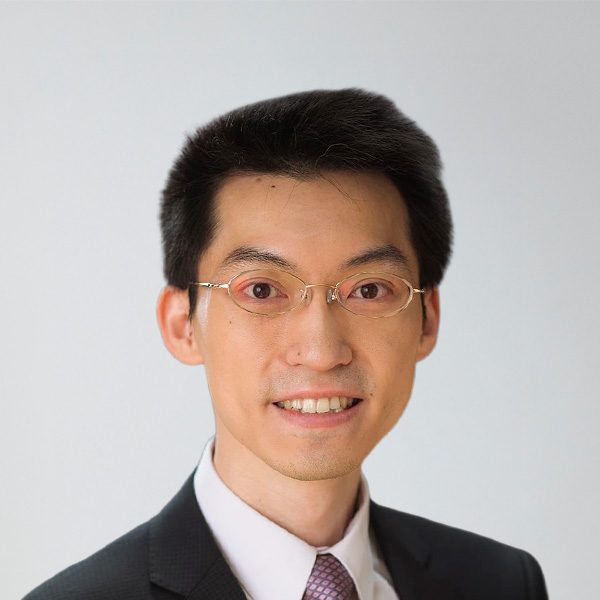
Kun-Hsing Yu
Associate Professor
Harvard Medical School
Kun-Hsing Yu
Dr. Yu’s lab integrates multi-omics (e.g., genomics, epigenomics, transcriptomics, and proteomics) profiles with quantitative pathology patterns to predict clinical phenotypes in cancer patients. The AI methods developed by the Yu Lab have been independently validated by over 200 research laboratories worldwide.
His contributions to AI in pathology have earned numerous honors, including the National Institutes of Health (NIH) Maximizing Investigators’ Research Award, Google Research Scholar Award, American Medical Informatics Association New Investigator Award, Harvard Medical School Dean’s Innovation Award, Department of Defense (DoD) Career Development Award, and the American Cancer Society (ACS) Research Scholar Award. He is a Fellow of the American Medical Informatics Association (FAMIA).
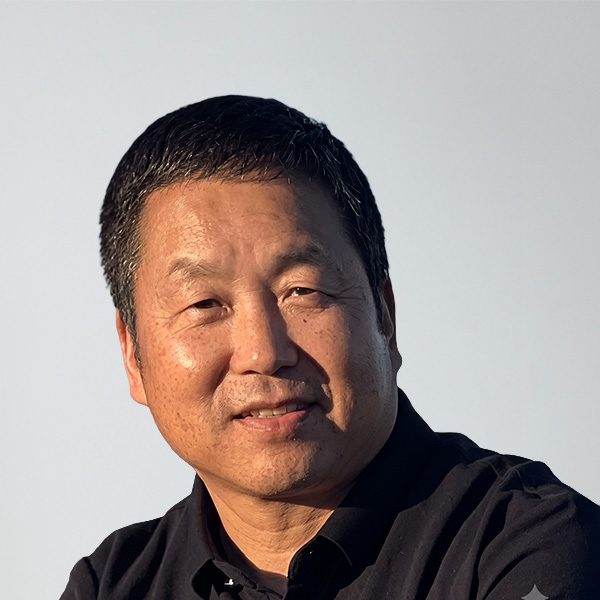
Liang Qiao
Professor, Principal Research Fellow
Westmead Institute for Medical Research, Faculty of Medicine and Health, the University of Sydney
Liang Qiao
Dr. Qiao, MD & PhD, is a Principal Research Fellow at the Storr Liver Centre, Westmead Institute for Medical Research (WIMR), and Professor of Medicine at the Faculty of Medicine and Health, University of Sydney. A clinically-trained medical scientist with over 27 years of experience in translational GI and liver disease research, he leads a research group in translational hepatology and precision oncology, with particular focus on cancer stem cells in GI and liver cancer, stem cell-based therapies for end-stage liver disease, the pathogenesis of MAFLD, and preclinical models including patient tissue-derived organoids and precision-cut liver slices. Dr. Qiao has authored more than 251 peer-reviewed articles in journals including Cell, Journal of Hepatology, Hepatology, Gut, and Cancer Research, with an h-index of 70, an i10-index of 192, and over 15,600 citations. He has secured more than $10 million in competitive research funding across 28 grants as chief investigator, and holds editorial roles across multiple international journals in oncology and hepatology, including Specialty Chief Editor for Frontiers in Oncology and Senior Editor for Cancer Letters. He has been recognized as a top 2% globally cited scientist in Oncology, Gastroenterology, and Hepatology since 2021, and has supervised over 20 postgraduate research students to completion.
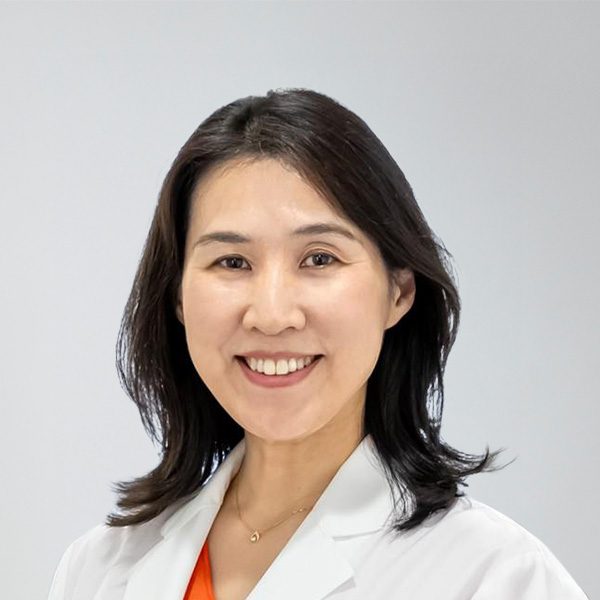
Machiko Inoue
Professor
Hamamatsu University School Of Medicine
Machiko Inoue
Since joining Hamamatsu University School of Medicine in 2014, Dr. Inoue has led the continuous development of the Shizuoka Family Medicine Training Program. Under her leadership, more than 35 family physicians have successfully completed their residency training, and the program has expanded through the establishment of new community-based family medicine training sites, strengthening the primary care workforce in underserved regions.
Drawing on her early clinical experience in Obstetrics and Gynecology, Dr. Inoue has been a national leader in integrating women’s health into primary care. She chaired the Committee for Women’s Health Care of the Japan Primary Care Association (JPCA) and has contributed extensively to professional education through lectures, workshops, publications, and clinical guideline development.
Her research spans a broad range of primary care topics, including healthy ageing, women’s health, advance care planning (ACP), dementia care, health communication, community-based integrated care, and primary care education. She has particular expertise in qualitative and mixed methods research and has played a leading role in promoting mixed methods research in Japan. She served as Chair of the Management Committee for the inaugural conference of the Japan Society for Mixed Methods Research and as a Board Member from 2015 to 2025. She also served as Associate Editor of the Journal of General and Family Medicine until 2020.
Dr. Inoue has held several national leadership positions. She has also contributed to national health policy, serving on the Ministry of Health, Labour and Welfare advisory panel for Japan Vision: Health Care 2035. She also served as President of the 15th Annual Scientific Conference of the Japan Primary Care Association in 2024.
Since 2020, Dr. Inoue has served as Executive Vice President of the Japan Primary Care Association, overseeing academic affairs and international collaboration. She works closely with leaders throughout the WONCA Asia Pacific Region and leading preparations for the WONCA World Conference 2029 in Kyoto.
Her current work explores how primary care can respond to increasingly complex health needs by integrating prevention, clinical care, community engagement, and shared decision-making across the life course. Through research, education, and international collaboration, she seeks to advance primary care as a discipline that promotes healthy longevity, person-centred care, and well-being throughout the life course.
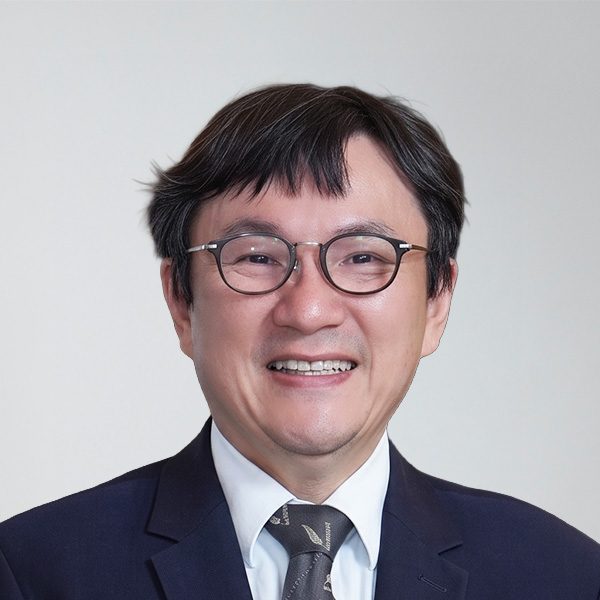
Mai-Szu Wu
President
Taipei Medical University
Mai-Szu Wu
Dr. Mai-Szu Wu, President of Taipei Medical University and Professor in the Division of Internal Medicine, is a renowned nephrology expert who has served as the Honorary President of both the Taiwan Society of Nephrology and the Taiwan Society for Transplantation. Professor Wu has long been dedicated to clinical practice and research in the fields of nephrology and transplantation medicine, with a focus on renal cellular physiology and biology, clinical nephrology, and renal replacement therapy.
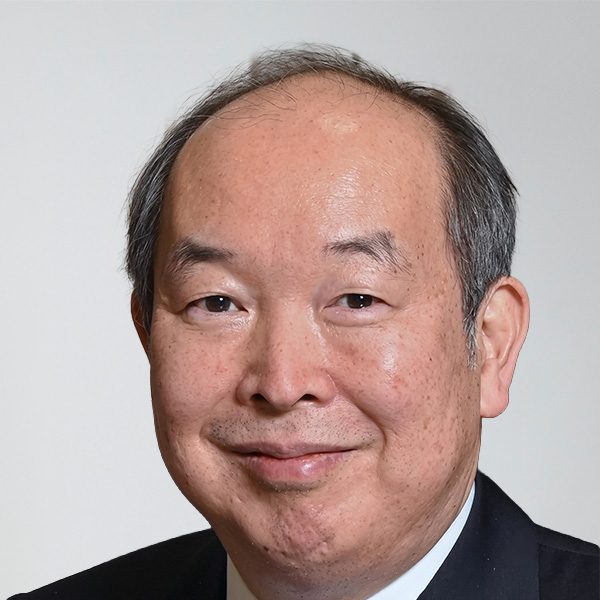
Masaomi Nangaku
Vice President
The Japanese Medical Science Federation
Masaomi Nangaku
Masaomi Nangaku is Dean and a professor and head of the division of nephrology and endocrinology, the University of Tokyo Graduate School of Medicine. He is immediate-Past President of the International Society of Nephrology, President of the Japanese Society of Nephrology, immediate-Past President of the Japanese Society of Internal Medicine, and Vice President of the Japanese Medical Science Federation. He is also Vice President of the Asia Telemedicine Society and Past President of the Asian Pacific Society of Nephrology.
He has published more than 630 original articles and 130 reviews articles in international journals, and has given 180 invited talks at international academic meetings.
His principal interests in nephrology include diabetic kidney disease and oxygen biology in the kidney including anemia in CKD. He is also a chair of the “Moonshot Research and Development Program” of telemedicine, which sets ambitious goals and promotes challenging R&D projects with the aim of resolving difficult societal issues while bringing together the wisdom of researchers from all over the world.
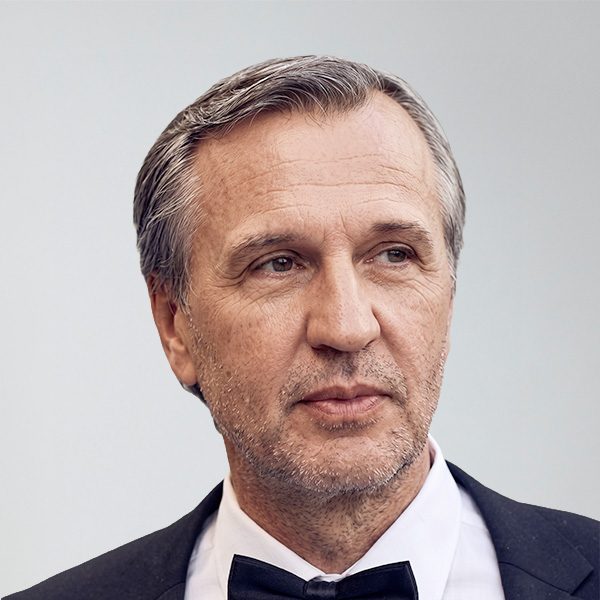
Miguel Ángel Falasco
Past President
Sociedad de Medicina Interna de Buenos Aires
Miguel Ángel Falasco
Biography: Prof. Dr. Miguel Angel Falasco
Born in Avellaneda, Buenos Aires Province, at the age of six my parents, Iris and Miguel, along with my three sisters, moved to the most prestigious street in the Autonomous City of Buenos Aires, Arroyo Street between Suipacha and Esmeralda, where I spent my entire childhood and adolescence. I attended primary school at the Juan José Castelli School. Later, I completed my secondary studies at the prestigious and rigorous Colegio Nacional de Buenos Aires, a university-affiliated institution known for producing students of high academic and humanistic excellence. I completed my mandatory military service in the Air Force at the Ministry of Defense. My childhood and adolescence were profoundly shaped by the environment of hospital medicine and a demanding academic background. Like my three sisters (Miriam, Silvia, and Viviana), all doctors, I spent much of my professional development in the hallways and wards of the Fiorito Hospital in Avellaneda, where my father, an internist, great professor, and master of Internal Medicine, was the head of the department. My father’s example was always guided by intense work, through which he instilled in the entire family a strong sense of public service and patient care. A large medical family; what for other teenagers was an unusual environment, for me, on-call shifts, stethoscopes, and clinical discussions were part of my daily life.
I will now detail the most relevant aspects of my professional career as a physician. I graduated from the Faculty of Medicine, University of Buenos Aires, on December 23, 1986. I trained as a specialist in Internal Medicine at the Internal Medicine Department of the Pedro Fiorito Hospital, where I worked as an attending physician and in the Emergency Department until 2005. In 2005, I assumed the position of Head of the Teaching and Research Department at the Pedro Fiorito Interzonal General Hospital, a position I hold to this day.
I am also very active as an Adjunct Professor and Head of Practical Training in the Department of Medicine, specializing in Internal Medicine. Coordinator of the Annual Rotating Internship at the Faculty of Medicine of the University of Buenos Aires, as a Regular Adjunct Professor in the Department of Internal Medicine at the Faculty of Medical Sciences of Favaloro University, and as a member of the Teaching and Graduate School Committee of the Buenos Aires Society of Internal Medicine, Argentine Medical Association, where since 2024 I have assisted Professor Dr. Roberto Reussi as Co-Director of the Three-Year University Course in Internal Medicine, Buenos Aires Society of Internal Medicine, Barceló University.
In 1989, I joined the Buenos Aires Society of Internal Medicine (SMIBA), where I have built a distinguished institutional career, establishing myself as a leading figure in management, scientific training, and continuing medical education. I served as president for two terms, from 2010 to 2012 and from 2020 to 2022, participating as organizer, president, and moderator in the most important events in the specialty and in the scientific coordination of the International Congresses of Internal Medicine and Clinical Medicine, alongside Professor Dr. Roberto Reussi.
I am an Honorary Fellow of the American College of Physicians (2011), a member of the Registry of Experts of the National Commission for University Evaluation and Accreditation (CONEAU), a member of the Medical Residency Evaluation and Accreditation Committee of the Buenos Aires Society of Internal Medicine, and a member of the Review Committee of the Argentine Medical Association’s journal. I am also the Assistant Treasurer of the Argentine Medical Association. I have published numerous articles in journals, book chapters, and presented papers at national and international conferences, and I have also been a speaker at national and international conferences.
I was named an Honorary Member of the Internal Medicine Societies of Paraguay, Venezuela, and the Dominican Republic. In 2017, I received an award for my academic and scientific career from the Latin American Society of Internal Medicine (SOLAMI) in Mexico City.
I served as President of the Latin American Society of Atherosclerosis (SOLAT) from 2017 to 2019, consolidating my regional reach and influence in the field of cardiovascular health.
At the last World Congress of Internal Medicine held in Prague in 2024, I participated with 2 presentations
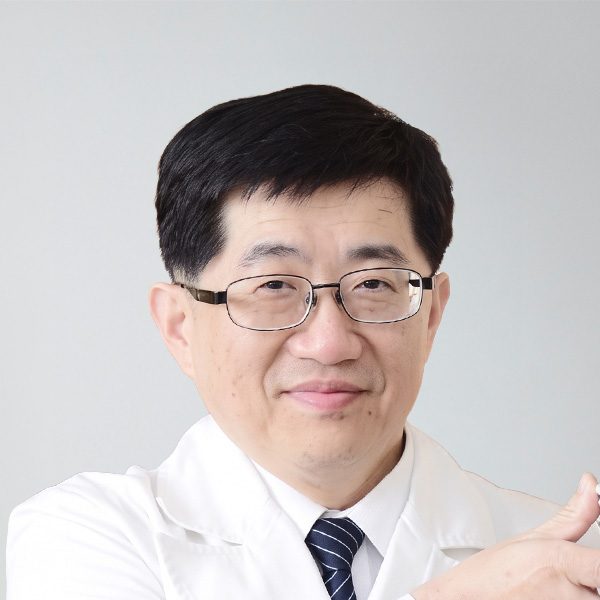
Ming-Nan Lin
Deputy Executive Director
Ministry Of Health And Welfare, Taiwan
Ming-Nan Lin
Dr. Ming Nan Lin, M.D., MPH
Deputy Executive Director, Health and Social Welfare Organization Administration Commission
Ministry of Health and Welfare, Taiwan
Dr. Ming Nan Lin currently serves as Deputy Executive Director of the Health and Social Welfare Organization Administration Commission at Taiwan’s Ministry of Health and Welfare. In this senior leadership role, he helps guide policy and implementation across organizational and public health sectors.
Previously, he was Vice Superintendent at Buddhist Dalin Tzu Chi Hospital, a flagship institution within the Tzu Chi Medical Foundation. There, he spearheaded the hospital’s Green Hospital Programs, earning accolades including the 2013 International Environment Friendly Hospital Teamwork Best Practice Award and a 2020 Gold Medal in Health Care Climate Challenge for outstanding leadership in environmental health.
Dr. Lin also holds prominent roles in international healthcare networks. He serves as a governance board member of the International Network of Health Promoting Hospitals and Health Services (International HPH) and chairs the HPH & Environment Taskforce within the same organization. His leadership has significantly advanced the integration of health promotion practices in hospitals globally. Dr. Lin has dedicated over 15 years to promoting health initiatives within hospital settings, emphasizing preventive care, sustainable health practices, and environmental responsibility.
A board certified Family Physician, Dr. Lin holds a Master of Public Health (MPH) degree and has actively contributed to community outreach and international disaster relief efforts.
Achievements & Recognition
- 2025 Five Star Family Doctor, awarded by WONCA Asia Pacific Region at WONCA APR Busan – a prestigious honor recognizing excellence in comprehensive, community centered primary care.
- Co organizer of the April 2025 WONCA APR Busan workshop “Implementing the Singapore Planetary Health Declaration in Practice,” furthering actionable steps in planetary health within primary care.
Commitment to Environmental Sustainability in Healthcare
Dr. Lin is deeply passionate about reducing the environmental impact of the healthcare sector. At Dalin Tzu Chi Hospital, he implemented carbon reduction strategies, staff training in eco best practices, et al. He now extends these initiatives at the national level, integrating environmental stewardship into hospital operations and public health policy.
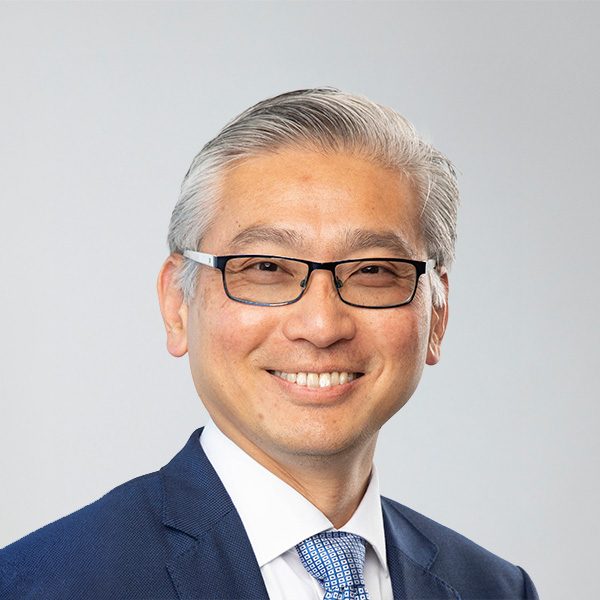
Muh Geot Wong
Assoc Professor In Medicine (nephrology)
Concord Repatriation General Hospital
Muh Geot Wong
Associate Professor Muh Geot Wong MBBS, PhD, FRACP
Dr Wong is an Associate Professor in Medicine, University of Sydney, Senior Consultant Nephrologist and Director of Renal Research at the Concord Repatriate General Hospital, Sydney, He is a Clinician researcher with a strong interest in understanding the pathomechanism of kidney fibrosis and has actively promoted the development of both clinical and pre-clinical research in delaying chronic kidney disease (CKD) progression in glomerular diseases, including IgA nephropathy, FSGS, diabetic nephropathy, and management of cardiovascular complications associated with CKD. He is a steering committee member of the Sydney Local Health District (SLHD) Clinical Trial group that will develop a coordinated and system-wide approach to clinical trials management within the SLHD and provide strategic direction for future initiatives. He has served as Chair of the Oceania South East Asia Regional Board, International Society of Nephrology, and is the current President-Elect for Asia Pacific Society of Nephrology and the Honorary Treasurer for the ANZSN.
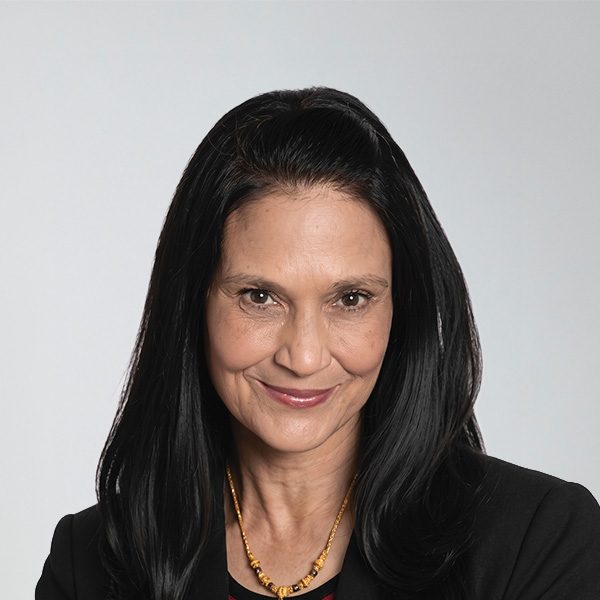
Mukta Panda
Regional Dean Morehouse School Of Medicine, Chattanooga Professor Of Medicine, Morehouse School Of Medicine, Department Of Internal Medicine, Medical Director of WellBeing CommonSpirit Memorial
Morehouse School Of Medicine (MSM)
Mukta Panda
Mukta Panda, MD, MACP, FRCP (London), is an award-winning physician, educator, facilitator, leader, and author dedicated to transforming the heart of healthcare organizations, patient care, and medical education. She currently serves as Regional Dean for Morehouse School of Medicine in Chattanooga, where she is leading the development of a regional medical campus in collaboration with CommonSpirit Health Memorial Health Chattanooga.
Dr Panda’s career spans multiple continents, having grown up in India and studied and practiced in India, London, Saudi Arabia, and the USA.
Her core values—empathy, joy, and meaningful relationships—are the foundation of both her personal and professional life. Dr. Panda is deeply committed to living and serving with kindness, respect, authenticity, and purpose, guided by a strong sense of intentionality in all she does.
With more than four decades of experience as an internal medicine physician, academician, and health system leader, Dr. Panda has devoted her career to advancing high-quality, compassionate, and equitable care.
Prior to her current role, she served as a CLER Field Representative for the ACGME and as Professor of Medicine and Assistant Dean for Well-Being and Medical Student Education, Chair if Medicine and Program Director at the University of Tennessee College of Medicine Chattanooga. She is a Master of the American College of Physicians and a Fellow of the Royal College of Physicians (London), distinctions that recognize her significant contributions to teaching, clinical research, preventive medicine, healthcare delivery innovation, and professional well-being.
. Dr. Panda is also the author of the award-winning Resilient Threads: Weaving Joy and Meaning into Well-Being and has coauthored two reflective and motivational books, Rhythm of Our Hearts and Reflections of the Heart, with her father, Dr. Shyam Parashar, a retired surgeon. These works further reflect her dedication to fostering well-being, resilience, and deep connections in both healthcare and life.
Personally, she cherishes her roles as a mother, grandmother, daughter, and friend, finding these relationships essential to her sense of well-being and balance. She nurtures her own spirit through long walks, cooking Indian cuisine, and organizing surprise gatherings for loved ones—practices that support her holistic approach to life and well-being.
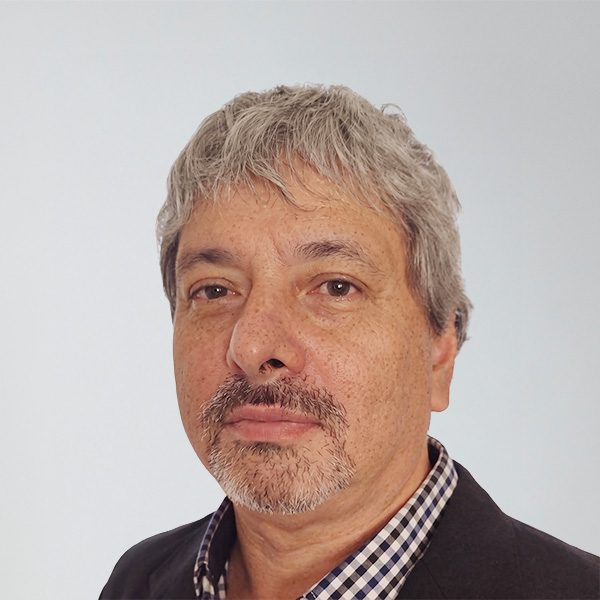
Pascual Valdez
Member of the Board of Directors
Argentine Society of Medicine
Pascual Valdez
I am a physician specializing in internal medicine, geriatrics, general medicine, intensive care, and emergency medicine. I hold a PhD and a master’s degree in public health and bioethics. I am a tenured professor of internal medicine at the University of Buenos Aires (UBA) and the University of La Matanza. I direct the residency programs for specialists in intensive care, emergency medicine, and internal medicine, as well as the doctoral program. I work in the intensive care unit at Vélez Sarsfield Hospital (Argentina). I am a researcher categorized by the Ministry of Education. I am a member of a clinical ethics committee and a clinical ethics committee. I am a former president of the Argentine Society of Medicine (SAM) and president of the International Forum of Internal Medicine (FIMI). I completed my residency and served as chief resident and instructor for four terms. I have published several books and articles. I am a contributor to the GBD (Global Bioethics Database). I have 117 articles indexed in PubMed, and my h-index is 69.
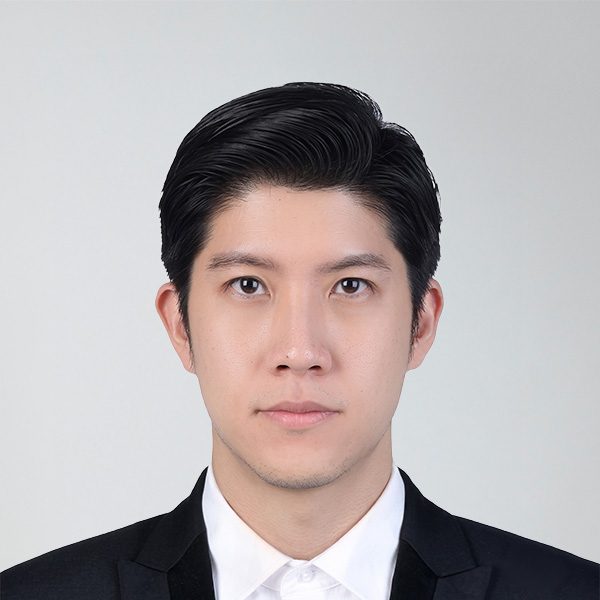
Pattrarat Chanchaithong
Associate Professor
Faculty Of Veterinary Science, Chulalongkorn University
Pattrarat Chanchaithong
Pattrarat Chanchaithong is an Associate Professor in the Department of Veterinary Microbiology, Faculty of Veterinary Science, Chulalongkorn University. His research interests focus on ESKAPE pathogens, antimicrobial resistance, and hospital-associated infections in companion animals. His work encompasses the molecular epidemiology of antimicrobial-resistant bacteria, mechanisms of resistance, and the development of infection prevention and control (IPC) strategies in veterinary healthcare settings. He has also played a key role in implementing bacterial identification and antimicrobial susceptibility testing workflows for veterinary diagnostic services, supporting antimicrobial stewardship in small animal veterinary practice.
Quazi Tarikul Islam
Professor Of Medicine
Popular Medical College Hospital
Quazi Tarikul Islam
Professor Quazi Tarikul Islam is one of those who are walking the path with a great vow of serving humanity. He is a researcher, writer and teacher. He was born in October 1954.
He started his medical career by earning an MBBS degree from Rajshahi Medical College in 1981. Later, he earned an FCPS degree in Internal Medicine in 1987 and entered the higher arena of the medical world. At the beginning of his career, he took charge as a consultant at the district hospital. Then he joined Rajshahi Medical College as an Assistant Professor and involved himself in medical education and research.
After serving as a medical specialist in Saudi Arabia for a few years, he returned to the country and spread the light of medical education again. He made an outstanding contribution to the advancement of medical education by serving as an Associate Professor, Professor and Head of the Department of Medicine of Rajshahi Medical College Hospital. In 2009 he joined in Dhaka Medical College Hospital as Professor of Medicine and later retired on 2012. Later, after retiring as a professor from Dhaka Medical College, joined as a Professor of the Department of Medicine at Popular Medical College Hospital.
Professor Quazi Tarikul Islam’s career is like a fertile tree, under whose shade countless doctors have taken shelter. Under his supervision, more than a hundred postgraduate trainees have received clinical training and more than seventy-two research projects have been completed. For more than three decades, he has served as an examiner for MBBS and postgraduate examinations. He has also achieved the status of an examiner and thesis assessor at the international level beyond the country. Due to his efforts, the first Royal College of Physicians, UK, MRCP PACES examination center was established in Bangladesh in 2024. He was an examiner and federation lead of this examination.
He was also unique as a speaker. He enriched the knowledge of medical science by delivering more than one hundred fifty lectures approximately at various scientific conferences in the country and abroad. In recognition of his wisdom and contribution, he has been awarded the Memorial Gold Medal several times. He also received Laureate Award from American College of Physicians (ACP). He has regularly participated in medical discussions on various television channels to create public awareness (especially during COVID). His contribution in the field of research is also amazing. He has enriched the knowledge base of medical science by publishing two hundred and one research papers in national and international journals. As an editor, editor-in-chief, chairman of the editorial board and reviewer of international journals, he has played an important role in the development of medical literature. As the editor-in-chief of the National Guidelines on Dengue Fever (2010-2018) and Geriatric Medicine (2023), his visionary leadership has opened new horizons in medical management.
His scope of success is not limited to domestic borders. He has increased the status of Bangladesh in the international medical arena by achieving fellowships from the American College of Physicians, Royal College of Physicians and Surgeons of Glasgow, Royal College of Physicians of Edinburgh and Royal College of London.
He was equally skilled in administrative leadership. He has served as the Councilor, Controller of Examinations and Treasurer of Bangladesh College of Physicians and Surgeons. He is currently serving as the Chairman of the International Affairs Committee and the President of Bangladesh Society of Geriatric Medicine.
He has also played an important role as the Regional Technical Advisor on Dengue at the South-East Asia Regional Office of the World Health Organization (WHO).
He has made important contributions to the country’s health sector as a member of the National Technical Advisory Committee during the crisis of the Covid-19 pandemic. His books, 51 Cases in Clinical Practice and Fundus in Clinical Medicine, are considered as valuable additions to the community of medical students and doctors. He has also achieved a respectable position as a member of the international advisory editorial board of one of the world’s most influential medical books, Davidson’s Principles and Practice of Medicine, 25th edition, 2026.
In his personal life, he is also an ideal family man. His wife is a literary lover. His son has completed higher education in medicine and is working as Consultant of Acute Medicine in the UK. His daughter is a teacher at Dhaka University and is involved in research at the international level. The lamp of knowledge, education and human welfare that he has lit is illuminating the family, society and the state equally.
Renata Cifkova
Head
Charles University First Faculty Of Medicine and Thomayer University Hospital
Renata Cifkova
Prof. Cifkova Renata, MD, PhD, FESC
Center for Cardiovascular Prevention, Charles University in Prague, First Faculty of Medicine and Thomayer University Hospital, Prague, Czech Republic
Renata Cifkova completed her medical education at Charles University, Prague and in 1986 earned a PhD in internal medicine with emphasis on cardiology.
In 1992, Dr. Cifkova was appointed Head, Department of Preventive Cardiology, Institute for Clinical Experimental Medicine, Prague, Czech Republic. She was a Postdoctoral Fellow at the Faculty of Medicine, Memorial University, St. John’s, Newfoundland, Canada. Her main research interest is epidemiology of cardiovascular risk factors. Hypertensive disorders in pregnancy are her life-long interest and task within the European Society of Hypertension and within the European Society of Cardiology.
She served as a member of various task forces for the European guidelines for the management of arterial hypertension, cardiovascular prevention and cardiovascular disease in pregnancy. She authored or co-authored more than three hundred papers in journals with impact factor (h-index: 84).
In 1999 – 2005 she was the secretary of the European Society of Hypertension and in 2021 – 2014 she was elected to chair the working group Hypertension and the Heart of the European Society of Cardiology.
For her outstanding contribution to research, education, and leadership in the fields of hypertension and cardiovascular protection, Prof. Cifkova was conferred the Peter Sleight Award by the European Society of Hypertension in 2009. Her research was acknowledged by the Czech Ministry of Health (2010,2015) and by the Senate of the Czech Republic (Silver medal, 2019). The European Society of Hypertension has awarded her with Alberto Zanchetti Life Achievement Award (2024).
Robert Dobbin Chow
Program Director
University Of Maryland School of Medicine
Robert Dobbin Chow
Robert T. (Dobbin) Chow was born in Taiwan and immigrated with his family to the U.S. at the age of five. He grew up in New Hampshire, learned to ski and to love the Boston Red Sox. He then attended Stanford University for his undergraduate studies, majoring in Chemical Engineering. After completing an M.S. program in Chemical Engineering in 1980 at the University of Pennsylvania School of Engineering, he then stayed in Philadelphia to obtain his MD degree from the University of Pennsylvania School of Medicine in 1984. He then completed his residency training in the Brown University Rhode Island Hospital primary care internal medicine program in 1987.
He then settled in Baltimore, Md, where he has practiced, learned, and taught general internal medicine for the past thirty-nine years while shifting his allegiance to the Baltimore Orioles. He served as Director of Division of General Internal Medicine and Associate Program Director at Sinai Hospital of Baltimore for 15 years before moving to Good Samaritan Hospital of Maryland, where he served as Program Director and Vice-Chair of Medicine for seven years. He then joined the full-time faculty of the University of Maryland School of Medicine in 2014, where he now serves as the Chair of Medicine at the University of Maryland Medical Center Midtown Campus as well as the Program Director of Midtown’s Internal Medicine and Transitional Year residencies. He completed an MBA program in Healthcare Management at the Johns Hopkins Carey Business School in 2011.
He is proud to have served as the Governor of the Maryland Chapter of the American College of Physicians from 2010 to 2014, and he is currently the President of the Association of Program Directors of Internal Medicine. He is proudly married to Rena Hung, who was born and raised in Taiwan. They have two sons, Corey and Kevin, and, so far, one energetic grandson.
San-Chi Chen
Attending Physician
Taipei Veterans General Hospital
San-Chi Chen
Dr. San-Chi Chen is a distinguished medical oncologist and clinical researcher based in Taipei, Taiwan, specializing in advanced gastrointestinal malignancies, with a particular expertise in hepatocellular carcinoma (HCC). He currently serves as an Attending Physician in the Division of Medical Oncology within the Department of Oncology at Taipei Veterans General Hospital, a position he has held since August 2017. In addition to his full-time clinical duties, Dr. Chen was appointed Assistant Professor at the Institute of Clinical Medicine, School of Medicine, National Yang Ming Chiao Tung University in February 2026. Demonstrating deep commitment to leadership within his specialty, he has also served as the Secretary General of the Taiwan Society for Immunotherapy of Cancer since May 2021.
Dr. Chen completed his medical education at Taipei Medical University, earning his Doctor of Medicine (M.D.) degree. He subsequently advanced his academic training by pursuing a Ph.D. at the Institute of Clinical Medicine, National Yang Ming Chiao Tung University. This unique dual training as a clinician-scientist empowers him to bridge the gap between complex laboratory innovations and real-world patient care.
His extensive research focus centers on optimizing combinations of immune checkpoint inhibitors (ICIs) and anti-angiogenic agents, investigating novel therapeutic sequencing, and identifying robust surrogate biomarkers—such as PIVKA-II—to predict treatment responses. As a prolific investigator, Dr. Chen has authored numerous high-impact peer-reviewed studies published in prestigious journals, including Liver Cancer, Clinical and Molecular Hepatology, and Hepatology International. His scholarly contributions continue to shape clinical consensus and push the boundaries of immunotherapy for hepatobiliary malignancies both nationally and globally.
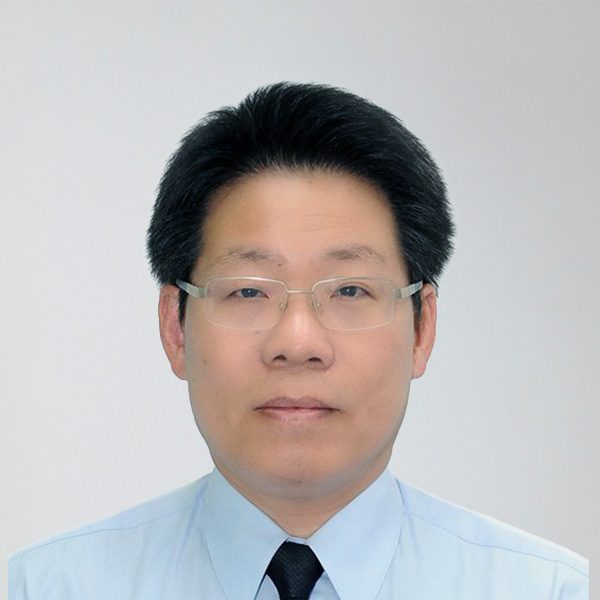
Shih-Hua Lin
Attending Physician/Professor
Tri-service General Hospital, National Defense Medical University
Shih-Hua Lin
As a physician in Internal Medicine and nephrologist, I am mostly involved in clinical and genetic diagnosis/management of acid-base and electrolyte disorders/metabolism, and the establishment of specific transgenic mice models (disease-causing knock-in or knockout) to provide new insight in the pathophsiology, mechanism and treatment development. Given the substantial contribution and recognition in genetic renal tubular disorders, I (only one in Asia) was invited and participated in KDIGO Expert Meeting for Gitelman’s syndrome in 2016, served as an editorial board in JASN from 2018 to 2023, subject editor in Nephrology for more than 10 years, and associated editor in Orphanet Journal Rare Diseases from 2021. Today’s research is for tomorrow’s practice. Using the bench Allelic-specific RT-PCR tool, I have successfully designed and validated a novel hotspot-based SLC12A3 mutation detection plate (Laboratory Developed Test, LDT) to rapidly identify recurrent SLC12A3 hotspots in newly-diagnosed GS patients in 4 hours (16th Innovation Award, Taiwan). Recently, I have applied deep learning model (DLM) to successfully develop and early detect EKG-based dyskalemia /dyscalcemia and their prediction of outcomes (previvors), which received a FDA patent and been well used in the hospital. Of note, I was awarded 24th National Biotechnology & Medical Care Quality Award: Gold Award (Top one winner, entitled Dyskalemia: From Bedside to Bench and AI). To date, I have published more than 450 peer-reviewed articles (total citation 14500, H-index 66, i10-index 241) and 11 book chapters in medicine and nephrology.
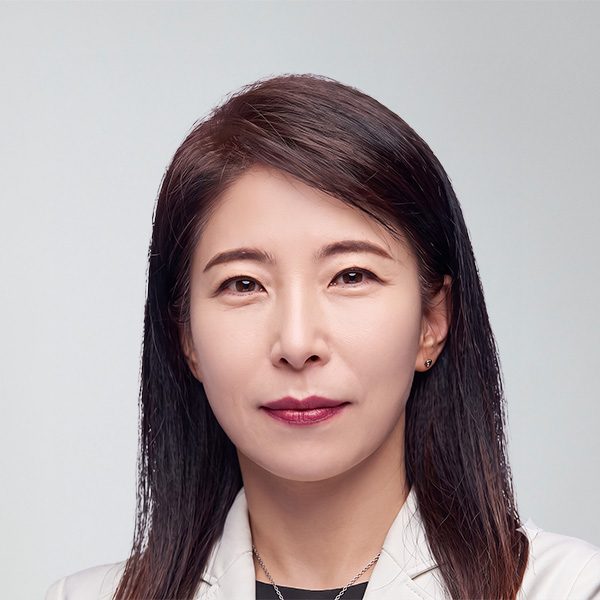
Sun-Hyun Kim
Physician, Professor
Catholic Kwandong University, Int. St. Mary’s Hospital
Sun-Hyun Kim
Dr. Sun-Hyun Kim is a family physician and professor specializing in hospice and palliative medicine at International St. Mary’s Hospital, College of Medicine, Catholic Kwandong University, South Korea. She graduated from Yonsei University and has served as a medical school faculty member since 2001.
She currently serves as Chair of the Department of Family Medicine and Director of the Health Promotion Center. She is also Chair of the Institutional Ethics Committee for Life-Sustaining Treatment Decisions, established under the Korean Act on Decisions on Life-Sustaining Treatment.
Dr. Kim holds several national leadership positions, including Director of Planning of the Korean Society for Hospice and Palliative Care, President of the Palliative Care Research Group of the Korean Academy of Family Medicine, Director of External Affairs of the Korean Society of Clinical Geriatrics, Member of the Education Committee of the Korean Society for the Study of Obesity, and Director of the Obesity Committee of the Korean Academy of Family Medicine. She has also been an active member of the East Asian collaborative research networks (the EASED group and the ACP Delphi group) since their inception.
Her research focuses on symptom management in the terminal phase, advance care planning, prognostication, spirituality in palliative care, clinical obesity, and integrated care for older adults, with an emphasis on improving the quality of care during the final stage of life.
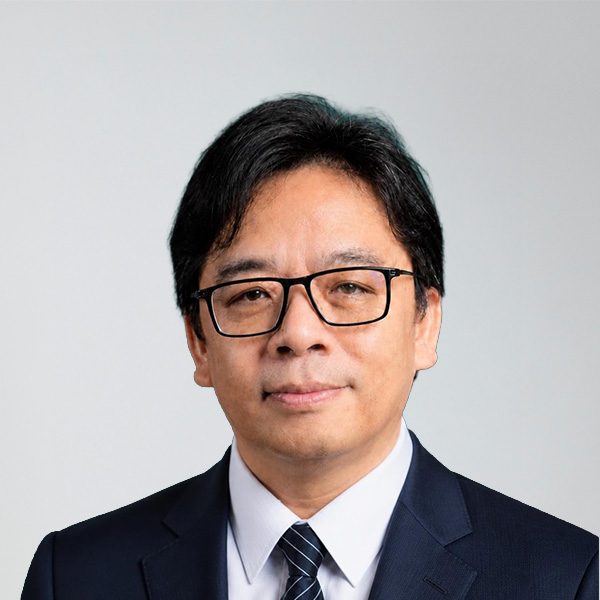
Szu-Chun Hung
Chief
Taipei Tzu Chi Hospital
Szu-Chun Hung
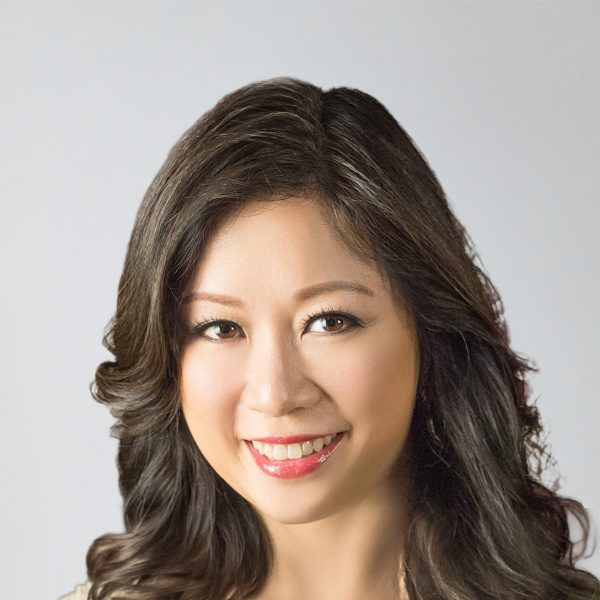
Tammy Lin
Clinical Assistant Professor (Voluntary)
University Of California San Diego, Health Sciences
Tammy Lin
Tjin-Shing Jap
Chief
Wei Gong Memorial Hospital
Tjin-Shing Jap
Biography of Prof. Tjin-Shing Jap (葉振聲) in Taiwan
In 1969, Mr. Jap entered the National Defense Medical Center (NDMC) in Taipei, Taiwan, where he received six years of medical education and graduated with distinction in Biochemistry, Physiology, and Pharmacology. After that he began his postgraduate clinical training as a rotating resident in the Department of Internal Medicine at Taipei Veterans General Hospital (TVGH), where he trained from 1975 through 1980.
From July 1982 to June 1983, he completed a clinical and research fellowship in the Division of Endocrinology and Metabolism at The Johns Hopkins Hospital, Baltimore, Maryland, USA. During this fellowship, he received advanced training in endocrinology and metabolism under the mentorship of Dr. Michael A. Levine, an internationally recognized endocrinologist whose pioneering work has significantly advanced the understanding of disorders of calcium metabolism and genetic endocrine diseases.
In 1991, he was appointed Chief of the Section of Biochemistry at the same institution. For this regard, in the same year he was elected to the Board of Directors of the Chinese Taipei Association of Clinical Biochemistry (CACB), where he had actively contributed to the advancement of clinical biochemistry. He also participated actively in numerous Asia-Pacific Federation for Clinical Biochemistry (APFCB) Congresses, including those held in Japan (1991), Thailand (1995), Australia (2004), China (2007), Korea (2010), Indonesia (2013), and Taiwan (2016). In addition, he attended ABICON 2009 in India.
Continuing the research he had begun during our fellowship training at The Johns Hopkins University Hospital, his team successfully published their first case of Familial Hypocalciuric Hypercalcemia (FHH) in the Journal of Clinical Endocrinology & Metabolism in 2001. This achievement was a memorable milestone and a delightful surprise, marking the beginning of their long-standing research interest in disorders of calcium metabolism. Their research subsequently expanded to the field of hereditary endocrine disorders. In 2005, they reported manuscript with Jap TS, Chiu CY, Won JGS, Wu YC, Chen HS. Novel Mutations in the MEN1 Gene in Subjects with Multiple Endocrine Neoplasia Type 1. Clinical Endocrinology (Oxford). 2005; 62:336–342.
In recognition of his academic achievements and sustained efforts, he was awarded a Professorship at National Yang-Ming University in 2003. In 2006 he was elected President of the Taiwan Society of Clinical Pathology and Laboratory Medicine, serving two consecutive terms from January 1, 2006, to January 1, 2012. During his presidency, he organized several successful annual scientific meetings and actively promoted international collaboration. he also participated in numerous congresses of the Asian Society of Clinical Pathology and Laboratory Medicine (ASCPaLM), including the 2024 Congress in Korea. In 2006, he was selected by the College of American Pathologists (CAP) to serve as a laboratory inspector and participated in the laboratory accreditation inspection of Samsung Medical Center in Korea.
In 2017, he published a handbook documenting the activities of the Endocrine Society during his tenure as President from 2013 to 2016. Serving as the editor of this book was one of the highlights of his academic career. He had the privilege of inviting many internationally renowned endocrinology experts to contribute lectures and workshops, including William F. Young Jr. from the Mayo Clinic in Rochester, Wilmar M. Wiersinga from the Netherlands, and Samuel Refetoff from the University of Chicago, Michael A Levine from the Johns Hopkins University among others. Their contributions made the publication a truly international collaborative effort. Richly illustrated with informative text and high-quality figures, the book has become a comprehensive and authoritative reference for clinicians, foreign visitors, etc.
For non-medical activity he got involved in the public speaking and leadership program from the Toastmasters International (USA). Therefore, he is able to give the public speech in English with full confidence. Furthermore, he had been serving as the senior advisor of the National Defense Medical Center Class of 1969 (M69) Alumni club since 1985. Over the years, he had remained in this role for more than four decades, continuously fostering friendship, organizing reunions, and strengthening the lifelong bonds among their classmates.
Tomas Zima
Professor
Charles University, General University Hospital
Tomas Zima
Prof. Tomáš Zima, MD, DSc. Dr.h.c. graduated on the First Faculty of Medicine, Charles University of Prague in 1990, professor of medical chemistry and biochemistry since 2001 and Head of Institute of Medical Biochemistry and Laboratory Medicine. He was the Dean of the First Faculty of Medicine (2005-2012) and between 2014-2022 he was the Rector of Charles University Prague. He was visiting professor Universita degli Studi di Milano in 2024.
His main research interests include oxidative stress, AGE’s, experimental nephrology, alcohol organ damage, tumor markers, prenatal screening and laboratory management and accreditation. He is author of more then 550 articles, 11 books (e.g. Zima, T. et al – Laboratory Diagnostics 4th edition (2025), e.g. Zima, T., Weisstub, D. N., (Eds). Medical Research Ethics: Challenges in the 21st Century. Springer, 2023) and co-author of 90 chapters in books.
Prof. Zima is a member in many learned, universities and scientific societies (Academia Europea, Czech Medical Academy, Czech Learned Society, EUROPEUM member of Board of Trustees, BioMedAlliance member Heaalth Research Committee (2016-2022), Federation of European Biochemical Societies (FEBS – Chair of Executive Committee 2011, 2020) , member Education and Management Division EMD IFCC 2021-2026, member of Executive Board IFCC. President EB EFLM 2026-2027 (member of EB 2011-2019).
Tsai-Jung Wang
Physician
Vghtc
Tsai-Jung Wang
Dr. Tsai-Jung Wang is an Attending Physician in Nephrology and Critical Care Medicine at Taichung Veterans General Hospital. She holds academic teaching appointments at National Chung Hsing University and National Yang Ming Chiao Tung University. In addition to caring for nephrology outpatients, Dr. Wang has a strong interest in clinical nutrition and acute kidney injury management. Her research contributions to acute kidney injury have been widely recognized through prestigious papers and innovation awards.
Tzung-Dau Wang
Physician / chief
National Taiwan University Hospital
Tzung-Dau Wang
Tzung-Dau Wang (王宗道), MD, PhD, FESC, FJCS, FAPSC
Professor of Medicine, National Taiwan University College of Medicine
E-mail: tdwang@ntu.edu.tw
PROFESSIONAL SUMMARY
Prof. Tzung-Dau Wang is an interventional cardiologist and clinician-scientist whose work spans hypertension and blood pressure monitoring, artificial intelligence (AI) in cardiovascular imaging and physiology, and pelvic arterial intervention. He is Professor of Medicine at National Taiwan University (NTU) College of Medicine, Director of the Smart Health Technology Research and Development Center at NTU, and, at National Taiwan University Hospital (NTUH), Director of the Medical Affairs Office, Chief of the Division of Cardiology, and Deputy Director of the Cardiovascular Center. He is also President of the Taiwan Society of Atherosclerosis and Vascular Diseases. He has authored more than 350 peer-reviewed, SCI-indexed publications, has been listed among the World’s Top 2% Most-Cited Scientists (Stanford–Elsevier) every year since 2023, and received the Nong Ding Award (lifetime achievement award) of the Taiwan Society of Cardiology in 2024.
EDUCATION AND TRAINING
- M.D., National Taiwan University College of Medicine, 1992 (Phi Tau Phi Scholastic Honor Society)
- Ph.D., Graduate Institute of Clinical Medicine, NTU College of Medicine, 1998–2002
- Interventional cardiology fellowship, National Taiwan University Hospital
- Advanced training, Brigham and Women’s Hospital and New England Deaconess Hospital, Boston, USA
- Executive MBA (in progress), College of Management, NTU, 2025–present
CURRENT APPOINTMENTS
- Professor of Medicine, NTU College of Medicine (2017–present)
- Director, Smart Health Technology Research and Development Center, NTU (2024–present)
- Director, Medical Affairs Office, NTUH (2026–present)
- Chief, Division of Cardiology, Department of Internal Medicine, NTUH (2026–present)
- Deputy Director, Cardiovascular Center, NTUH (2026–present)
- Attending Physician (Interventional Cardiologist), Division of Cardiology, NTUH (2000–present)
- Founder, Taiwan Cardiovascular Artificial Intelligence (CVAI) Institute (2018–present)
- Chair, Guidelines Committee, Taiwan Society of Cardiology (2026–present)
RESEARCH AND CLINICAL EXPERTISE
Hypertension and blood pressure monitoring. Prof. Wang served as global principal investigator of the sacubitril/valsartan in salt-sensitive hypertension trial and local principal investigator for the GEMINI, TAO, ELIXA, and RAVEL trials, with co-investigator roles in RUTH, DISCOVERY, REACH, ACCORD, and others. Since 2025 he has been principal investigator of community-based digital hypertension care trials (DIGICARE/DREAM, NCT07588256). He chaired the task forces that produced the Taiwan Hypertension Guidelines (2010, 2015, 2017, 2022), the Home Blood Pressure Monitoring Consensus (2020), and the national/regional Renal Denervation Consensus (2019, 2020, 2026), and currently leads the Taiwan Society of Cardiology task force on the positional statement for uncontrolled hypertension.
Interventional cardiology. With more than 8,000 coronary and peripheral interventions performed, Prof. Wang is an internationally recognized expert and proctor in renal denervation. He pioneered the intraprocedural feedback technique for renal denervation and leads the pilot INFORM trial (NCT06676553). He also pioneered pelvic arterial intervention and pelvic CTA diagnosis for erectile dysfunction and lower urinary tract symptoms (more than 700 cases treated), and has lectured on this innovation at TCT, EuroPCR, VIVA, EAU, ISSM/ESSM, and ESC.
Cardiovascular AI. As founder of the Taiwan CVAI Institute, he has led several major government-funded cardiovascular AI development programs, including award-winning models for pericardium/aorta segmentation with cardiovascular risk prediction (HeaortaNet), automated coronary lumen segmentation and stenosis detection on CCTA (TaiCAD-Net, TruePlaque-Net), and smartwatch-based pulse wave velocity and 24-hour blood pressure estimation.
His publications appear in journals including the New England Journal of Medicine, Nature Genetics, Circulation, Hypertension, European Heart Journal, JAMA Network Open, Journal of Clinical Endocrinology & Metabolism, and Small, and he is frequently invited to speak at international conferences and educational programs, including WebMD/Medscape.
EDITORIAL SERVICE
- Associate Editor, Hypertension Research (2021–present)
- Editorial Board, European Journal of Heart Failure (2024–present); Korean Circulation Journal (2020–present); Journal of Clinical Hypertension (2020–present); Journal of Asian Pacific Society of Cardiology (2021–present)
- Editor-in-Chief, Acta Cardiologica Sinica (2018–2022)
- Invited reviewer for >60 SCI journals, including Circulation, European Heart Journal, Hypertension, and JACC
INTERNATIONAL ACADEMIC ROLES - Founder and Chair, Asian Renal Denervation Consortium (ARDeC) (2019–present)
- Chair, Membership Committee, and Executive Council Member, Global Consortium of Innovation and Engineering in Medicine (2024–present)
- Member, American College of Cardiology Digital Health Working Group (2024–present)
- Scientific Advisory Board Member, Asian Pacific Society of Cardiology (2023–present)
- Member, HOPE-Asia Network (2020–present); International Reviewer, Dekker Program, Dutch Heart Foundation (2023)
SELECTED HONORS (SINCE 2021) - World’s Top 2% Most-Cited Scientist, Stanford–Elsevier (2023, 2024, 2025)
- Nong Ding Award (Lifetime Achievement Award), Taiwan Society of Cardiology (2024)
- Outstanding Research Award, National Taiwan University Hospital (2024)
- FutureTech Award Winner: HeaortaNet (2021); smartwatch pulse wave velocity/vascular age system (2022); smartwatch 24-hour blood pressure estimation algorithm (2023)
- National Innovation Award: HeaortaNet and TaiCAD-Net (2021); TruePlaque-Net and smartwatch blood pressure system (2022); 24-hour daytime/nighttime blood pressure estimation system (2023)
PATENTS (USA) - US20240237925A1 (2024): Data analysis method for long-term blood glucose concentration trend
- US20240005479A1 (2024): System and method for cardiovascular risk prediction
- US20230233154A1 (2023): Feature extraction method for photoplethysmography signal
- US20160113538A1 (2016): Relaxation state evaluation system and method
BIBLIOGRAPHY
More than 350 articles in peer-reviewed, SCI-indexed journals.
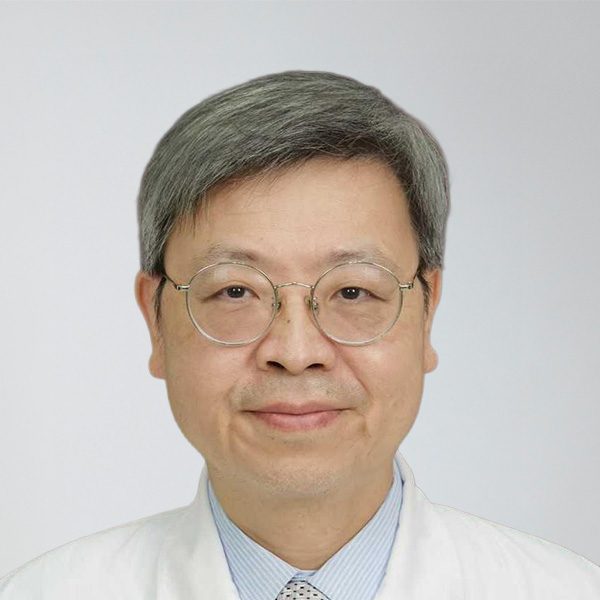
Wang-Huei Sheng
Attending Physician
National Taiwan University Hospital Hsin-chu Branch
Wang-Huei Sheng
Dr Wang-Huei Sheng is currently Attending Physician at the Department of Internal Medicine and Vice Superintendent, National Taiwan University Hospital Hsin-Chu Branch in Taiwan. He is also Professor at the College of Medicine, National Taiwan University, Taiwan. Dr Sheng was Resident Physician in Internal Medicine and then Fellow in Infectious Diseases at the National Taiwan University Hospital in Taipei. He completed his PhD in the National Taiwan University. Dr Sheng has authored more than 250 publications in international peer-reviewed journals. He is frequently invited to speak at regional and international meetings. He was awarded for outstanding original paper published in a Taiwanese medical journal (Journal of Formosa Medical Association) and several times (years 2019, 2020, 2021, 2022) of the Excellent Teachers from National Taiwan University. Professor Sheng was awarded the 2024 Health and Welfare Professional Medal by the Ministry of Health and Welfare, Taiwan for his contributions to vaccine research, participation in and introduction of therapeutic drugs, and promotion of epidemic prevention education during the COVID-19 pandemic.
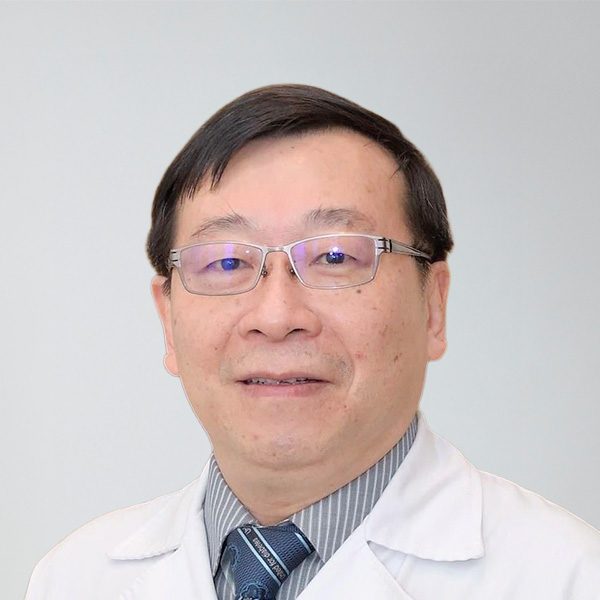
Wei-Shiung Yang
Professor
National Taiwan University Hospital
Wei-Shiung Yang
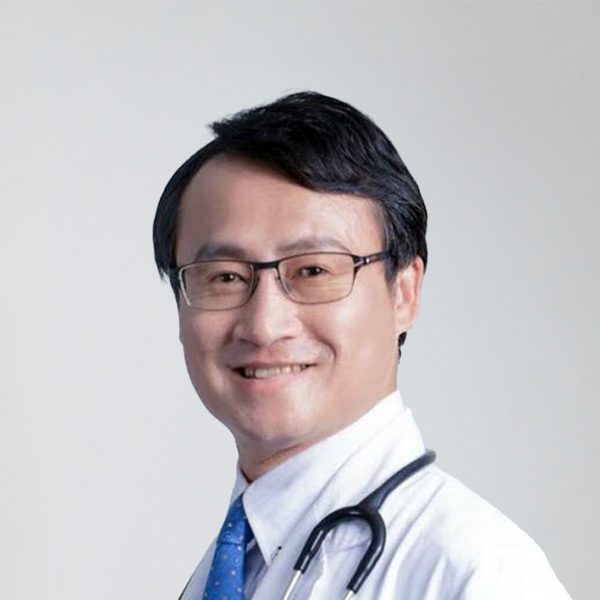
Wen-Yuan Lin
Professor/Physician
China Medical University And Hospital
Wen-Yuan Lin
I am Wen-Yuan Lin, MD, PhD, a Professor at China Medical University and a senior leader of the China Medical University Hospital in Taiwan. I currently serve as President of the Taiwan Medical Association for the Study of Obesity (TMASO) and President of the Taiwan Health Evaluation and Promotion Association (THEPA). As a family physician, I have devoted my career to advancing primary care, preventive medicine, obesity medicine, chronic disease prevention, and healthy aging.
My professional interests focus on strengthening person-centered, community-based healthcare through family medicine, digital health innovation, and multidisciplinary collaboration. I have been actively involved in national initiatives that promote integrated care and improve the prevention and management of obesity, diabetes, hypertension, hyperlipidemia, and chronic kidney disease.
In recent 2 years, I have contributed to Taiwan’s Healthy Taiwan Deep Cultivation Program, particularly the implementation of the Healthy Taiwan 888 Program, which aims to improve screening, primary care enrollment, and disease control for individuals at risk of hypertension, hyperglycemia, and hyperlipidemia. I believe that a strong primary care system is the foundation of sustainable healthcare and healthy longevity.
Through clinical practice, academic research, medical education, and international collaboration, I remain committed to advancing family medicine and obesity medicine while sharing Taiwan’s experience in building an integrated, innovative, and prevention-oriented healthcare system.
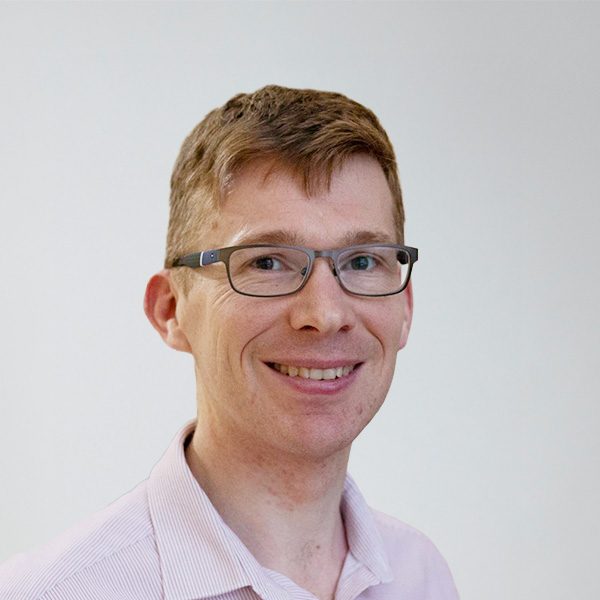
William Herrington
Professor Of Clinical Trials And Epidemiology Of Kidney Disease
University Of Oxford
William Herrington
He has participated or leads a number of clinical practice guideline working groups, including with the European Society of Cardiology, UK Kidney Association, and KDIGO.
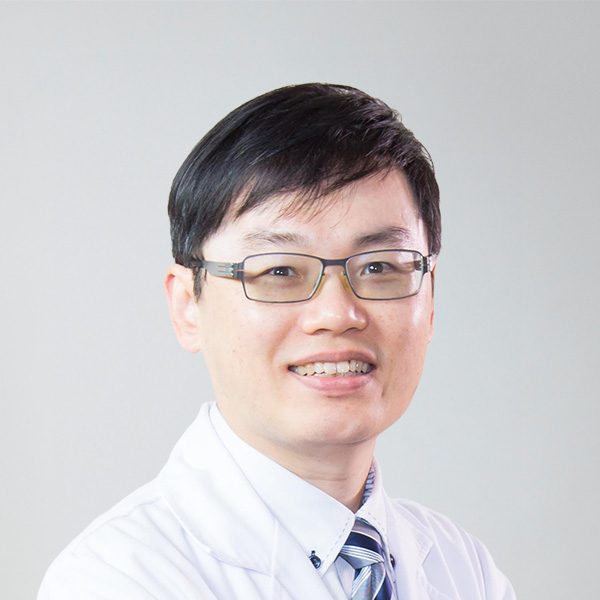
Yao-Hsien Tseng
Physician
Tungs’ Taichung Metroharbor Hospital
Yao-Hsien Tseng
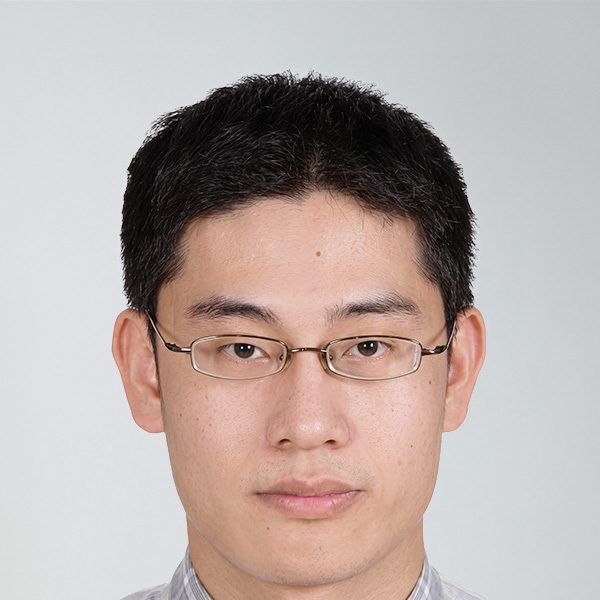
Yao-Yu Hsieh
Chief
Taipei Medical University Shuang Ho Hospital
Yao-Yu Hsieh
Autobiography
Yao-Yu Hsieh, MD, PhD
I am a physician specializing in internal medicine, medical oncology, hematology, and blood and marrow transplantation. My professional journey has been guided by a simple conviction: advances in cancer medicine are most meaningful when rigorous science is translated into better decisions for individual patients. This belief has shaped my work as a clinician, researcher, educator, and medical leader in Taiwan, and it underlies my particular interest in precision oncology, minimal residual disease, and liquid biopsy.
I received my MD from National Yang-Ming University School of Medicine and completed residency and subspecialist training in internal medicine, hematology, and oncology at Taipei Veterans General Hospital. These years gave me broad exposure to complex medical illness and established the clinical discipline that continues to inform my hemato-oncology practice. I later earned a PhD in Cancer Biology and Drug Discovery through Taipei Medical University and Academia Sinica, where I developed a deeper interest in translational research, cancer biology, and therapeutic innovation.
Since 2010, I have served as an attending physician in the Division of Hematology and Oncology at Shuang Ho Hospital. I became Chief of the Hemato-Oncology Division in 2020 and also serve as an Assistant Professor at Taipei Medical University. In these roles, I care for patients mostly in GI tract cancers and hematologic malignancies such as lymphoma and myeloma while contributing to multidisciplinary care, professional education, and the development of clinical services. I have also led the hospital’s hemato-oncology ward and its chemotherapy safety subcommittee, experiences that strengthened my commitment to medication safety, team-based care, and the responsible delivery of increasingly complex systemic therapies.
My research bridges clinical epidemiology, precision oncology, and laboratory-based drug discovery. I have investigated the comparative effectiveness of EGFR tyrosine kinase inhibitors in EGFR-mutant non-small-cell lung cancer using real-world data, and I have contributed to studies in colorectal cancer, pancreatic cancer, leukemia, lymphoma, and hematopoietic stem cell transplantation. Across these disease settings, I am especially interested in how biomarkers can reveal residual disease, clonal evolution, and emerging treatment resistance before conventional imaging or clinical progression becomes apparent. Circulating tumor DNA and other liquid-biopsy approaches offer a dynamic, minimally invasive view of tumor biology and have the potential to refine postoperative risk assessment, treatment selection, response monitoring, and surveillance. I regard minimal residual disease not simply as a laboratory result, but as a developing clinical framework that must be interpreted in light of assay performance, tumor biology, treatment context, and the consequences of acting on a positive or negative finding.
My laboratory work complements this clinical perspective through drug repurposing and the identification of actionable mechanisms of resistance using integrated bioinformatics, chemical genomics, and experimental validation. This work has included studies in colorectal, pancreatic, renal, and other cancers, as well as investigations of microtubule dynamics, autophagy, epithelial–mesenchymal transition, and oncogenic signaling. I have also participated in collaborative clinical research, including a randomized trial in breast cancer brain metastases and national registry-based studies that address questions directly relevant to daily practice. Together, these experiences have reinforced my view that precision cancer care requires both increasingly sensitive molecular tools and carefully designed evidence showing when their use truly improves patient outcomes.
Beyond my institution, I am actively involved in the development of oncology in Taiwan. I previously served as Vice Secretary General of the Taiwan Oncology Society and currently serve on its academic committee and council. I am also a council member of the Taiwan Society of Immunotherapy of Cancer. These responsibilities allow me to contribute to scientific exchange, continuing medical education, consensus building, and the thoughtful integration of new evidence into local care. My board certifications in internal medicine, medical oncology, hematology, and blood and marrow transplantation reflect the breadth of the clinical foundation I bring to these activities.
At the World Congress of Internal Medicine, my presentation, “Minimal Residual Disease and Liquid Biopsy: Transforming Precision Cancer Care,” will examine how these technologies are changing the clinical meaning of remission, recurrence risk, and treatment response. I will address both their promise and their limitations, including analytical sensitivity, false-negative and false-positive results, biological variability, optimal timing, and the still-evolving evidence for biomarker-guided intervention. As an oncologist grounded in comprehensive internal medicine, I believe molecular information becomes valuable only when it is integrated with comorbidities, treatment toxicity, imaging, supportive care, and patient priorities. Through international exchange, I hope to share experience from Taiwan, learn from colleagues working in different health systems, and help advance the responsible translation of liquid biopsy from technological innovation into clinically meaningful, patient-centered care.
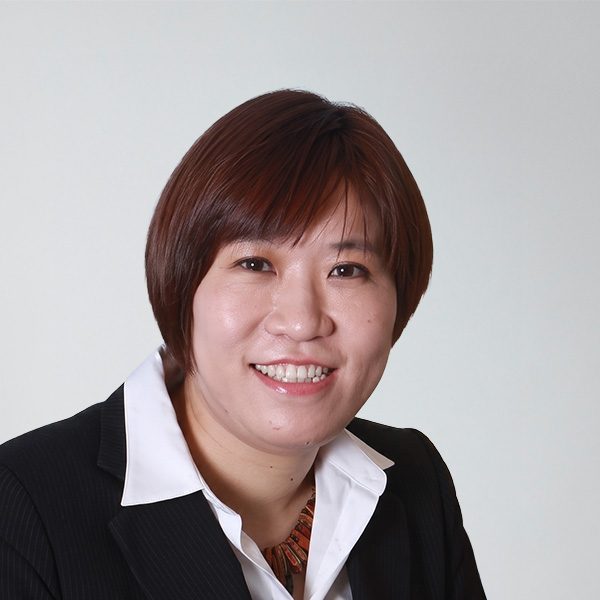
Yen-Wen Wu
Director, Department of Medical Research
Far Eastern Memorial Hospital
Yen-Wen Wu
Yen-Wen Wu, MD, PhD, is a cardiologist, nuclear medicine physician, clinical researcher, and academic leader based in Taiwan. She currently serves as Director of the Department of Medical Research at Far Eastern Memorial Hospital, New Taipei City, Taiwan, and holds adjunct professorships at the School of Medicine, National Yang Ming Chiao Tung University, and the Graduate Institute of Medicine, Yuan Ze University. She is also an Adjunct Attending Physician in the Departments of Internal Medicine and Nuclear Medicine at National Taiwan University Hospital.
Dr. Wu received her MD degree from the College of Medicine, National Taiwan University, and completed both her Master’s and PhD degrees at the Graduate Institute of Clinical Medicine, National Taiwan University. She underwent residency training in internal medicine and nuclear medicine and completed a cardiology fellowship at National Taiwan University Hospital. Her multidisciplinary training has enabled her to bridge cardiology, nuclear medicine, molecular imaging, and translational cardiovascular research.
Throughout her career, Dr. Wu has held major clinical and academic leadership positions, including Director of the Cardiovascular Medical Center, Deputy Director of the Cardiovascular Medical Center, Director of the Department of Nuclear Medicine, and Chief of the Division of Cardiology at Far Eastern Memorial Hospital. She has also served as Director of the Department of Radiology at National Taiwan University Hospital Hsin-Chu Branch and as a foreign collaborative investigator at Kyoto University and Hokkaido University Hospital.
Dr. Wu is actively involved in national and international professional societies. She currently serves as President of the Society of Nuclear Medicine, Republic of China / Taiwan, and President of the Taiwan Association of Lipid Educators. She is an executive board member of several major Taiwanese cardiovascular and medical societies, including the Taiwan Hypertension Society, Taiwan Society of Lipids and Atherosclerosis, Taiwan Society of Atherosclerosis & Vascular Diseases, Taiwan Society of Aldosteronism, Taiwan Society of Resuscitation and Critical Care, and Taiwan Myocardial Infarction Society. She served as a Councilor in the Executive Council of the Asian Pacific Society of Cardiology from 2021 to 2025.
Her academic contributions span cardiovascular imaging, nuclear cardiology, molecular imaging, biomarkers, heart failure, cardiometabolic disease, and women’s cardiovascular health. She has extensive experience in national-level medical research integration projects and multicenter registries and has served as principal investigator in more than 50 clinical trials, including more than five national principal investigator roles. Since 2022, she has led nationwide registry projects in heart failure and cardiomyopathies.
Dr. Wu has published more than 350 peer-reviewed SCI journal articles from 2003 to 2026. She has served as Editor-in-Chief of Acta Cardiologica Sinica, the official journal of the Taiwan Society of Cardiology, since 2023. She is a Fellow of the European Society of Cardiology, American College of Cardiology, Japanese Circulation Society, and Asian Pacific Society of Cardiology.
Her achievements have been recognized through numerous awards, including the Cardiovascular Young Investigator Award of the Society of Nuclear Medicine, Y.Z. Hsu Scientific Award – Outstanding Professor Award, Gold Prize of the Asian Cardiology Section of the Japanese Society of Nuclear Medicine, Outstanding Research Award of the Taiwan Society of Lipids and Atherosclerosis, Nong Ding Memorial Award of the Taiwan Society of Cardiology, FutureTech Award, National Innovation Awards, and AI Healthcare Innovation Awards.
In addition to her research and clinical leadership, she has chaired the Cross-Disciplinary Committee of the Taiwan Society of Cardiology since 2020, and developed educational programs to improve awareness, prevention, diagnosis, treatment, equity, and advocacy in women’s cardiovascular health. She has also contributed to guidelines related to women’s cardiovascular health, maternal cardiovascular health, prevention, public health, advocacy, and patient engagement.
Together, Dr. Wu’s leadership in cardiology, nuclear medicine, clinical research, medical societies and scientific publishing reflects her longstanding commitment to advancing cardiovascular medicine and improving patient care in Taiwan and internationally.
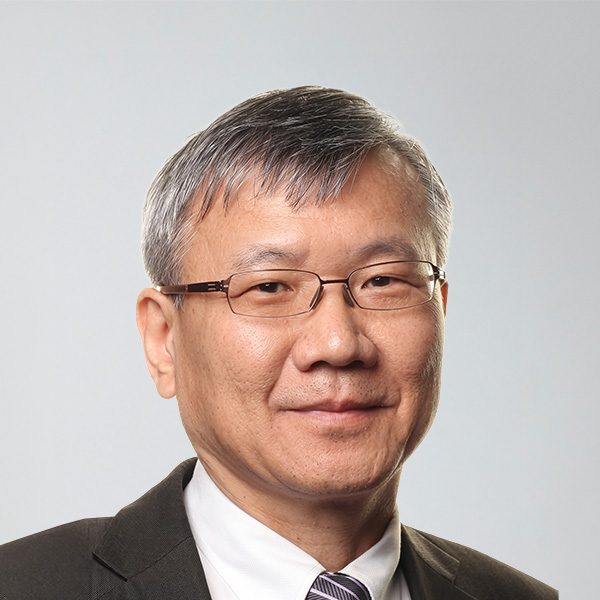
Yi-Heng Li
Attending physician/ Professor
National Cheng Kung University Hospital
Yi-Heng Li
Yi-Heng Li, MD, PhD, is a senior attending physician of the Division of Cardiology at National Cheng Kung University Hospital in Tainan, Taiwan, where he is also a professor of the Department of Internal Medicine in the University’s College of Medicine. Dr. Li earned his medical degree from Kaohsiung Medical University in Kaohsiung, Taiwan, and his PhD from the Graduate Institute of Basic Medical Science at National Cheng Kung University. He received cardiology fellowship training in the National Taiwan University Hospital in Taipei, Taiwan and completed a research fellowship in the Department of Cardiovascular Sciences and the Debakey Heart Center at Baylor College of Medicine in Houston, Texas, USA. Dr. Li is a fellow of the European Society of Cardiology (FESC) and the American College of Cardiology (FACC). Currently, he is the President of the Taiwan Society of Cardiology.
His research interests include the management of acute coronary syndromes, lipids and atherothrombosis. Dr. Li has published more than 230 research papers in such medical journals as the Journal of the American College of Cardiology, European Heart Journal, Arteriosclerosis, Thrombosis, and Vascular Biology, Cardiovascular Research, Chest, American Journal of Cardiology, and Thrombosis and Haemostasis. He has presented more than 100 abstracts at international meetings, including the Annual Scientific Sessions of the American Heart Association, the American College of Cardiology, and the European Society of Cardiology. He has been the local principal and co-investigator of many international clinical trials. He is the chairman of the writing group for the “2022 Taiwan Lipid Guidelines for Primary Prevention”, “2020 Guidelines of the Taiwan Society of Cardiology for the Management of ST-segment Elevation Myocardial Infarction” and “2017 Taiwan Lipid Guideline for High Risk Patients”.